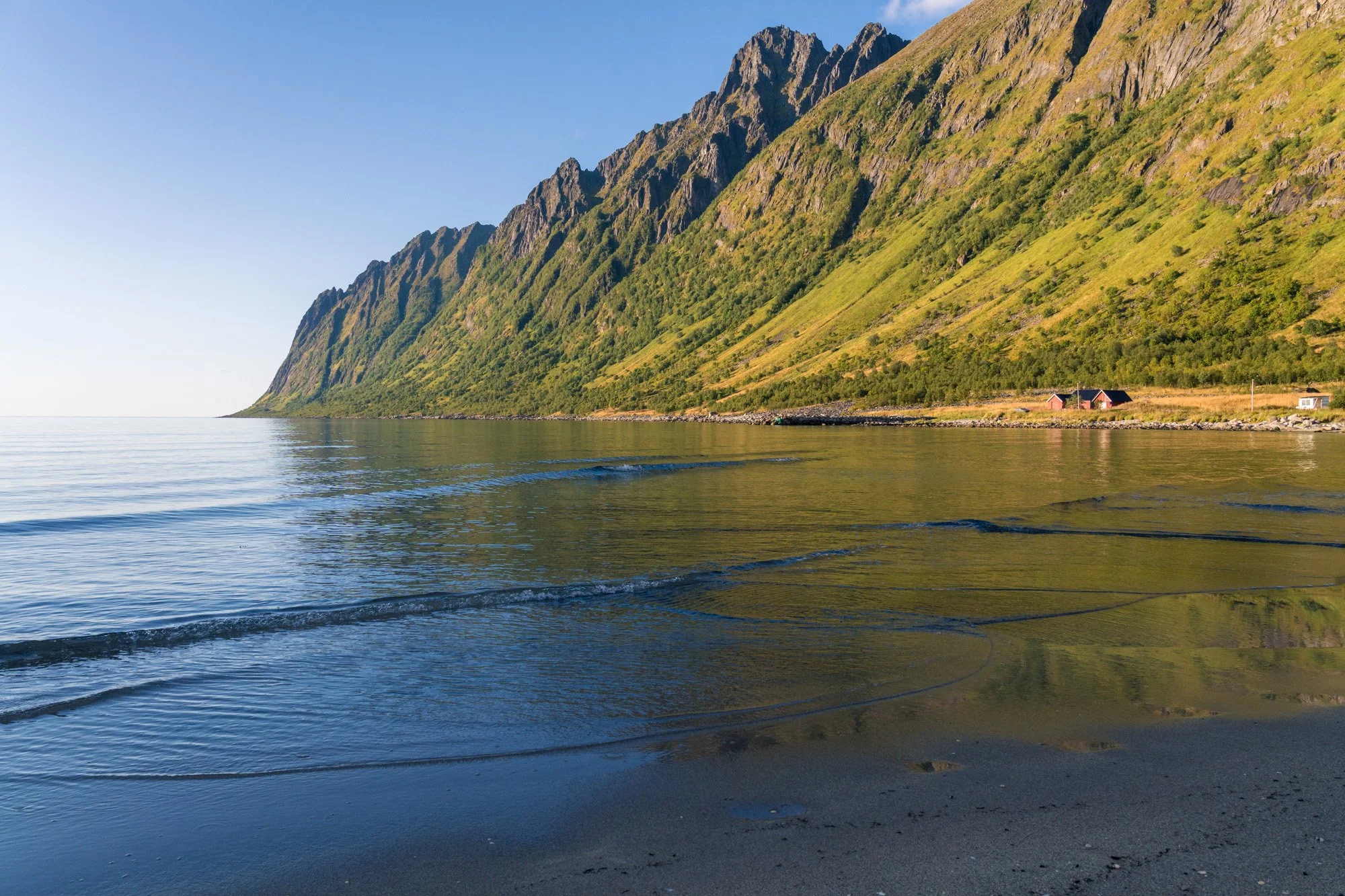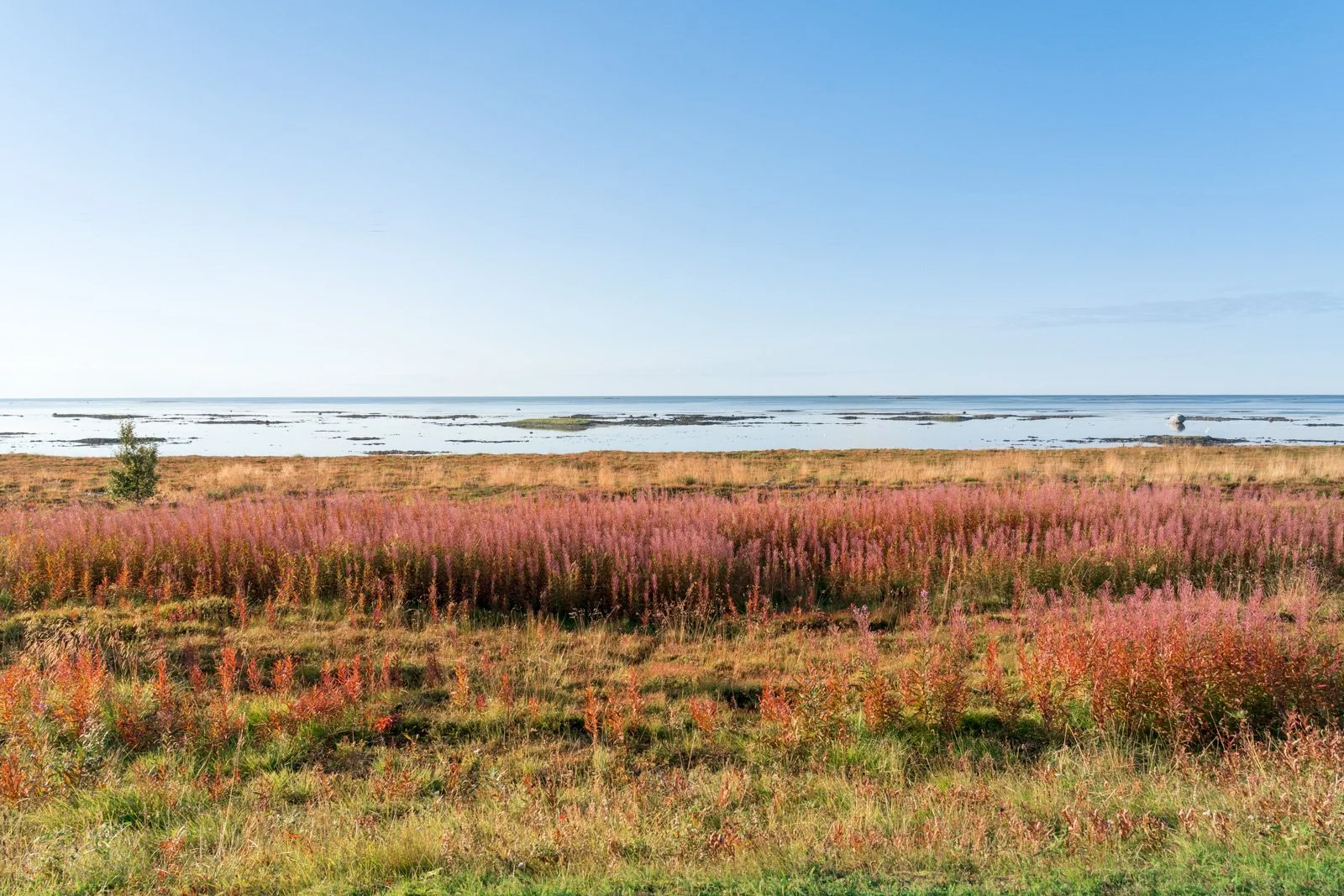
Arctic light
What photographers need to know
I love spending time in the Arctic. The landscapes and the light are absolutely beautiful. However, if you're planning a photography-focused trip, there are a few things you should know about light in the Arctic - my posts and guides should be read with this in mind.
The Arctic is famous for the extraordinary quality of its light, but exactly what you'll experience depends enormously on when you visit. Here are some some key things to remember about Arctic light.
Light changes dramatically throughout the year
The key point here is that, north of the Arctic Circle, the position of the sun changes drastically in different seasons.
Inside the Arctic Circle (e.g., Senja or Lofoten in Norway or Abisko in Sweden) there is 24-hour daylight in midsummer, and 24-hour darkness in midwinter. For a few weeks in midsummer, the sun does not set, and for a few weeks in midwinter, it does not rise. In between these extremes, the locations of sunrise and sunset change quite dramatically. A viewpoint might be drenched in dawn sunlight for some months of the year, but not others. Apps designed for photographers can help you work out where the sun will be at different times of day. This web-based app (the Photographer’s Ephemeris) does a great job.
In addition to the position of the sun changing, the number of daylight hours also change drastically throughout the year. In fact, the number of hours of daylight you will receive can change by at least an hour every week in the Arctic - so Monday next week will receive 1 hour more (or less) daylight than Monday last week.
How does this affect landscape photography? Well, these changes are significant if you are planning to do sunrise/sunset shoots, or hope to photograph the aurora (which can only be seen when light levels are low enough during the night). When planning which locations to visit, it really matters what month you visit: there may be compositions with lighting conditions that don’t work at some times of the year, or the sunrise/sunset times might be impracticable.
To plan, use an app to help you work out what position the sun will be in on the date of your particular trip, and if you want to see aurora, make sure to time your visit between late August and mid-April.
On a longer trip (2 or 3 weeks or longer) bear in mind that sunset and dawn will be at quite different times at the end of the trip than at the start.
2. Expect more sunshine - or more darkness - than you might think
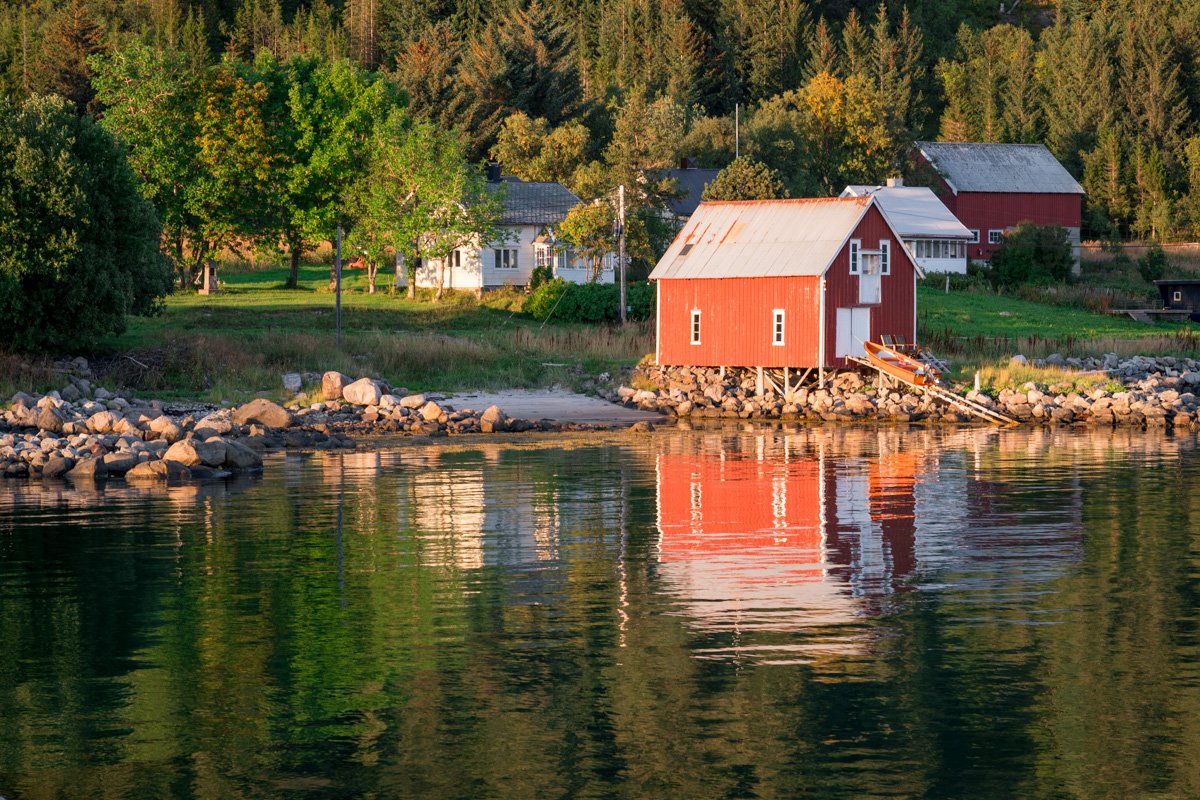
Many people assume the Arctic is relentlessly dark - but you might be surprised how much sunlight the Arctic gets in summer.
Being the Arctic, weather is unpredictable and can be bad. Definitely bring layers suitable for rain, snow or sleet and wind chill at any time of year. However, the sun does come out, and in summer, the days are exceptionally long. In the middle of summer, the sun doesn’t set at all.
On cloudless days in summer, all that sunshine means temperatures can become warm enough for T-shirts and shorts, and the sun can even be very bright – somewhat harsh – in the middle of the day if there are no clouds to act as a filter. I’ve had days in the far north of Norway where I’ve had to sit in the shade to avoid the heat! So bring sunglasses, a hat and sunscreen as well as your waterproof layers and gloves.
3. Golden hour can be very long indeed
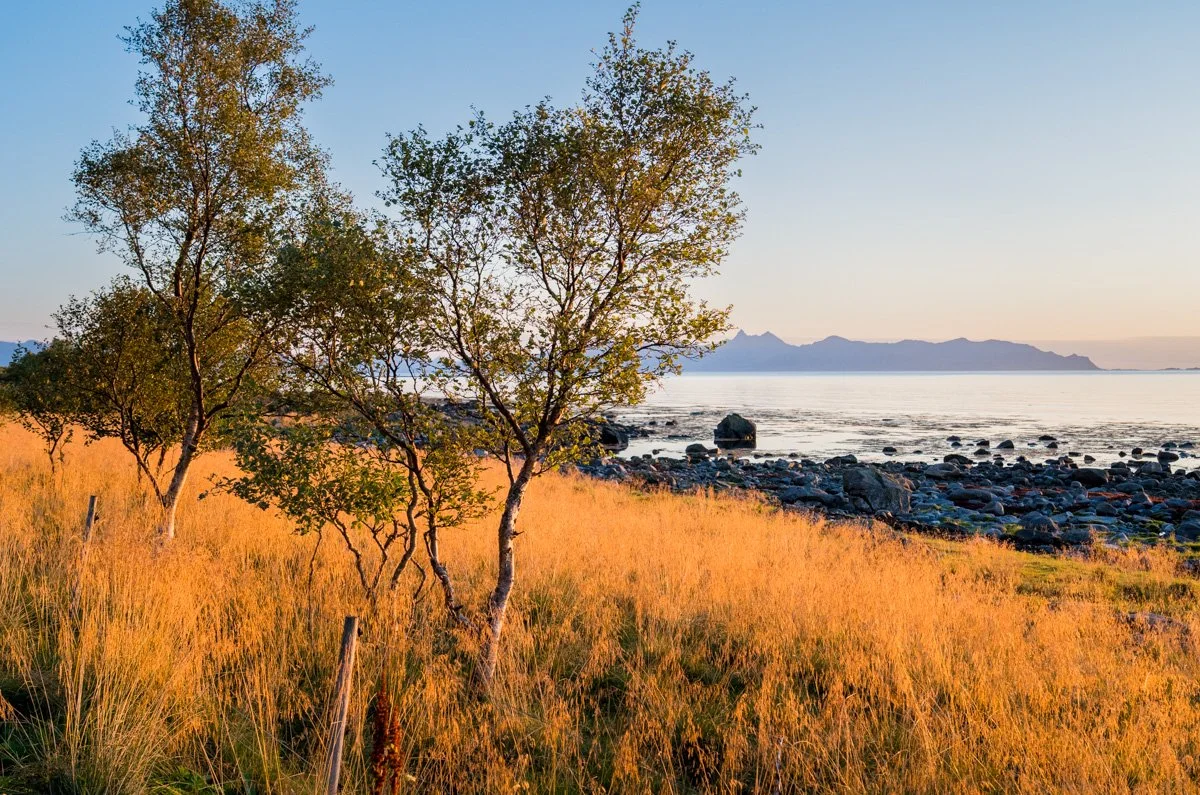
In the winter months, the sun spends some (or most) of the daylight hours low in the sky. And in summer, it follows a long route across the sky - spending a long time low in the sky early/late in the day.
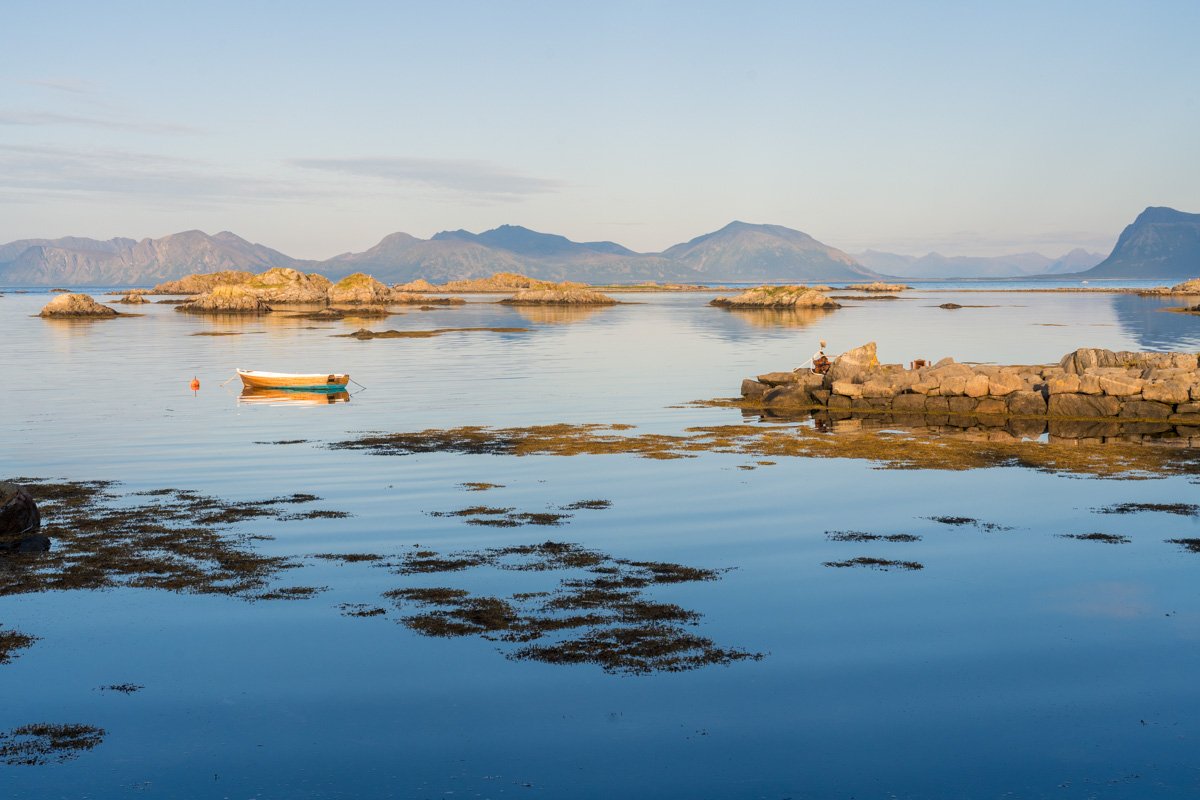
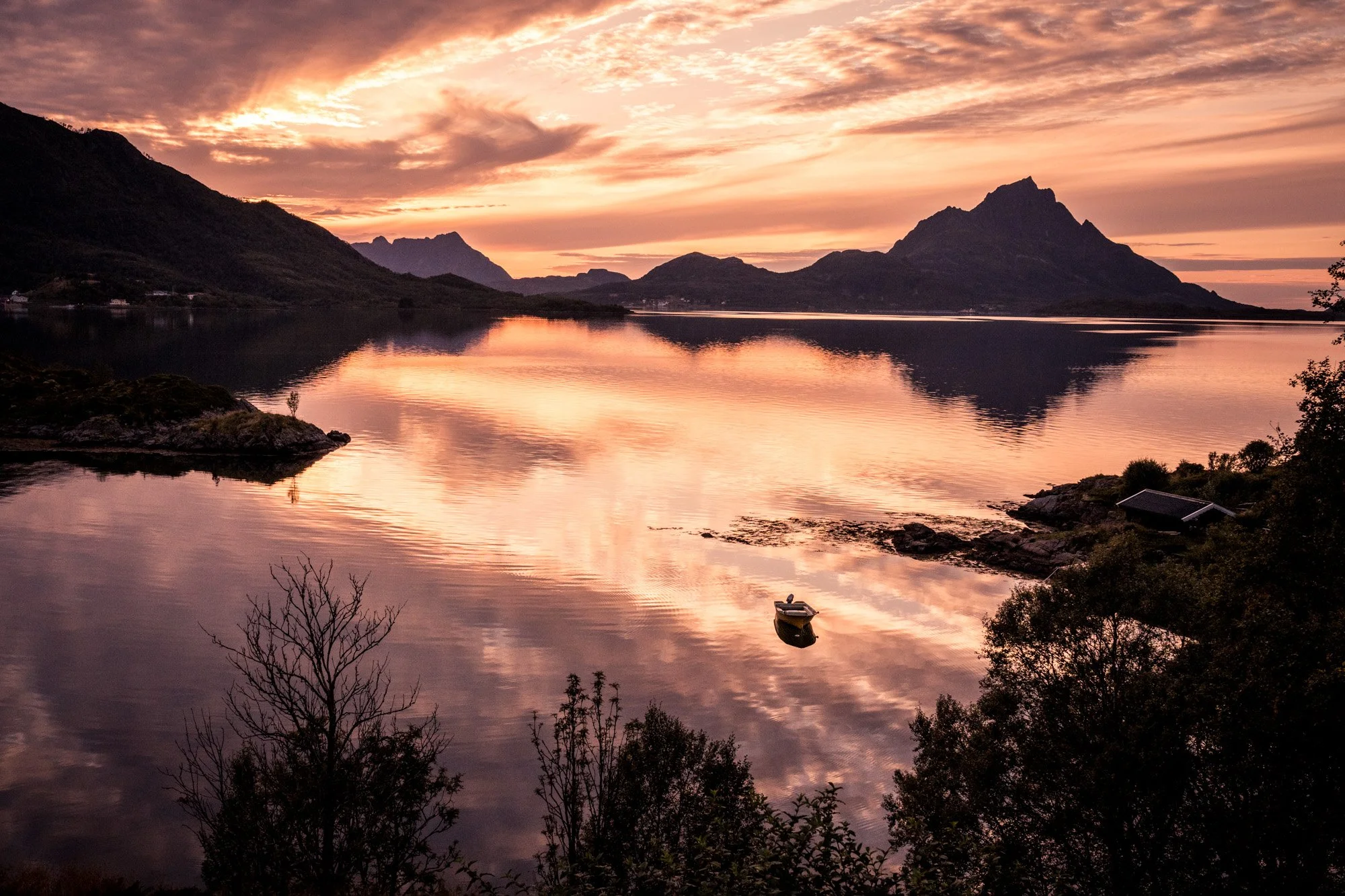
What all this means is that golden hour can be very long indeed - great for photographers. Don’t restrict yourself to a literal hour around dawn and dusk - the light is often lovely for much longer than an hour, and may disappear behind a mountain at hour before sunset anyway.
Weather in this part of the world is naturally unpredictable, though (part of the attraction, in fact!) My top tip to maximise your chances of seeing your favourite landscapes in favourable light is to go for longer. More days in the region equals more chances of seeing the amazing scenery in a variety of weather conditions.