8 Beautiful locations for photography in
Gjirokastra
Albania’s mountain-side Ottoman-era heritage city
Gjirokastra is an ancient city in the south of Albania, about 1 hour from the resort town of Saranda. Its unique Ottoman architecture has been recognised by UNESCO as a World Heritage Site. A picturesque city, in a region packed with Roman ruins, I think it’s a charming place to spend time.
Gjirokastra (or Gjirokastër) is one of several Ottoman-era cities in Albania, a captivating country in southern Europe bordering Greece and Montenegro. The old city is not large, but it does have a stupendous location, UNESCO-recognised unique architecture and engaging history. Is it worth visiting? I would say that Gjirokastra could be your sort of place, if you love:
European history, or
Roman and pre-Roman archaeological sites (there are several major sites nearby), or
unique old towns and architecture
A visit to Gjirokastra rewards a “slow travel” mindset, if you are content to take your time exploring. On this page I’ll cover the following aspects of Gjirokastra:
Exploring Gjirokastra’s architecture
By the way, is it Gjirokastra or Gjirokastër? You’ll see both spellings - in the Albanian language, these are the definite and indefinite forms of the city’s name. They both refer to the same city.
Gjirokastra is not the only historic city in Albania - see my page on Berat city if you’d like to explore another UNESCO-recognised destination.
Introducing Gjirokastra
Starting from Albania’s southern port town of Saranda, head north along the main SH4 highway and after about an hour you’ll find yourself driving through the stunning Drino valley, flat-bottomed and steep-sided like a bathtub. Here you will also find the ancient and uniquely-architectured city of Gjirokastra, built around a fortified citadel.
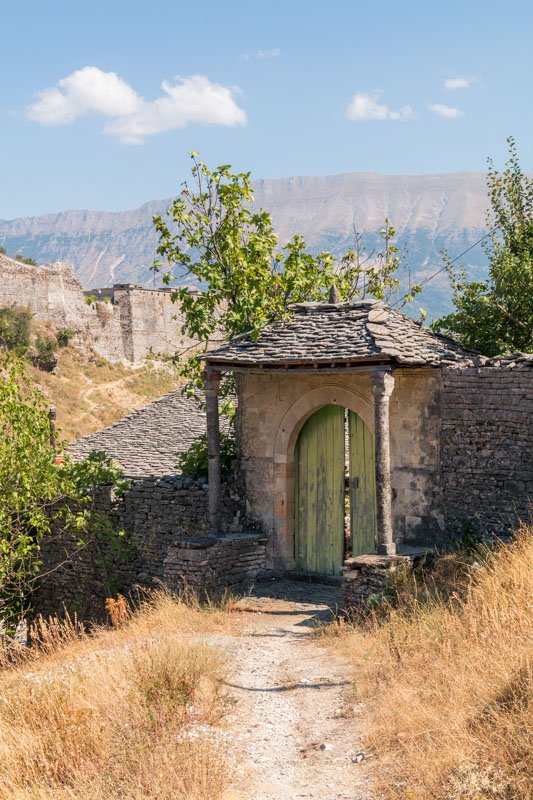
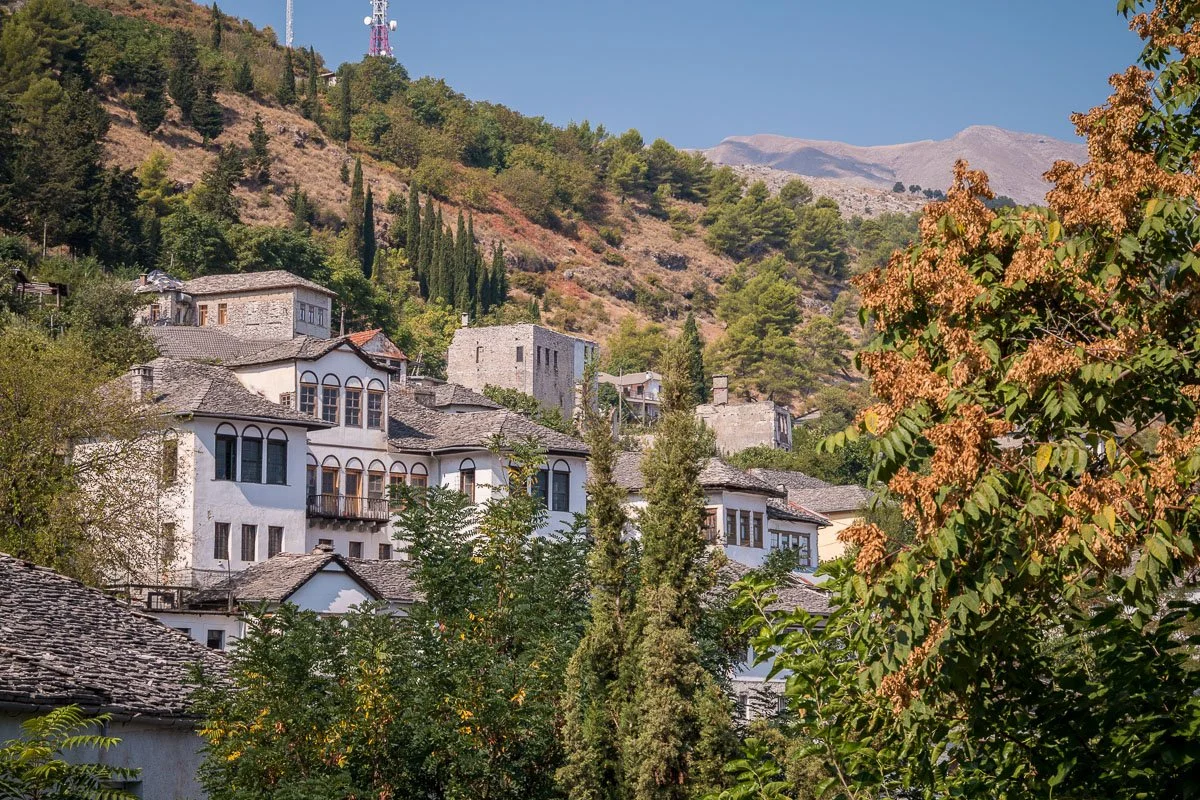
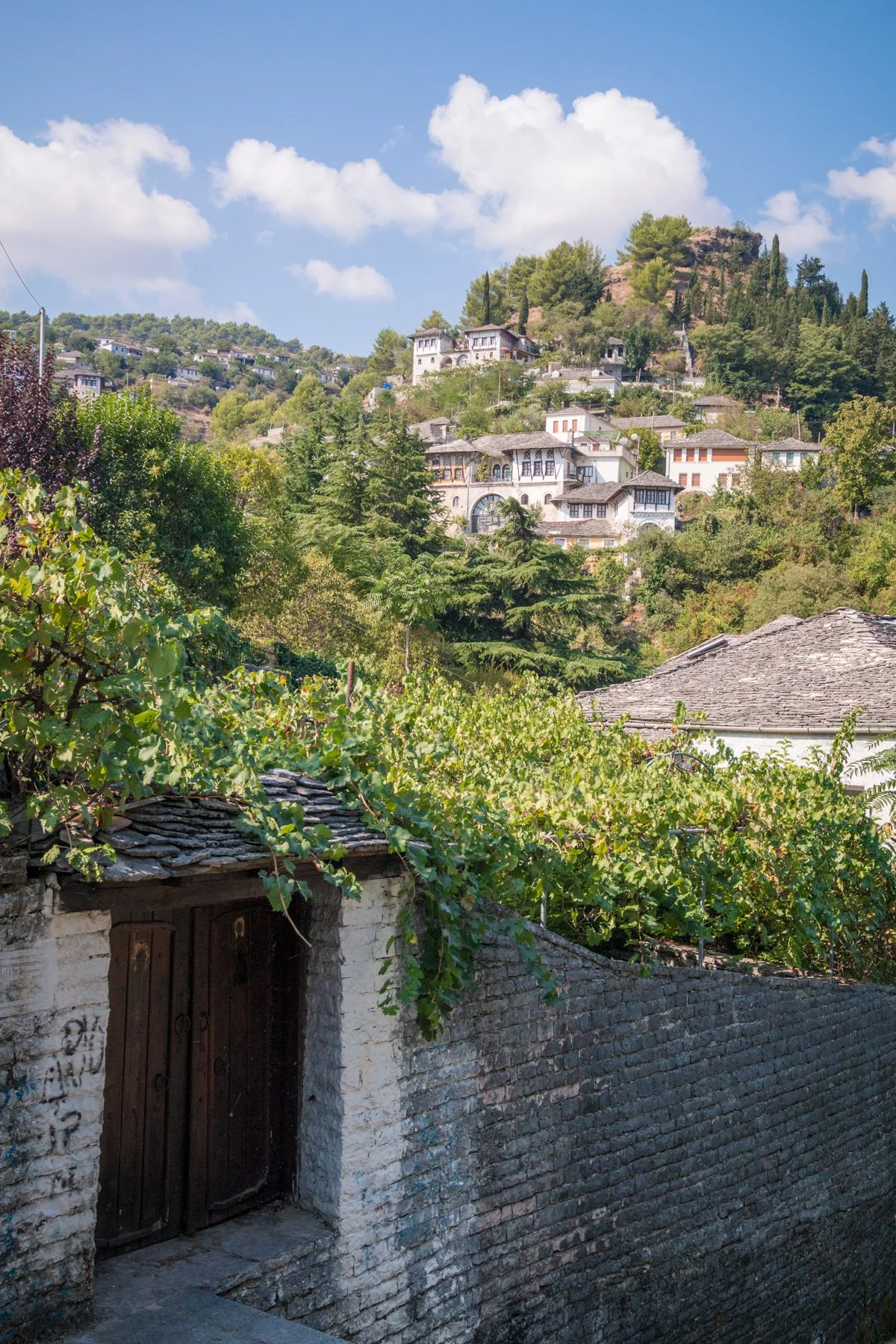
Gjirokastra divides into two parts, a new city and an old city, and it’s the old city which should attract your attention. The old city is built almost entirely in limestone: white blocks for buildings and cobblestones, and distinctive grey limestone roof tiles.
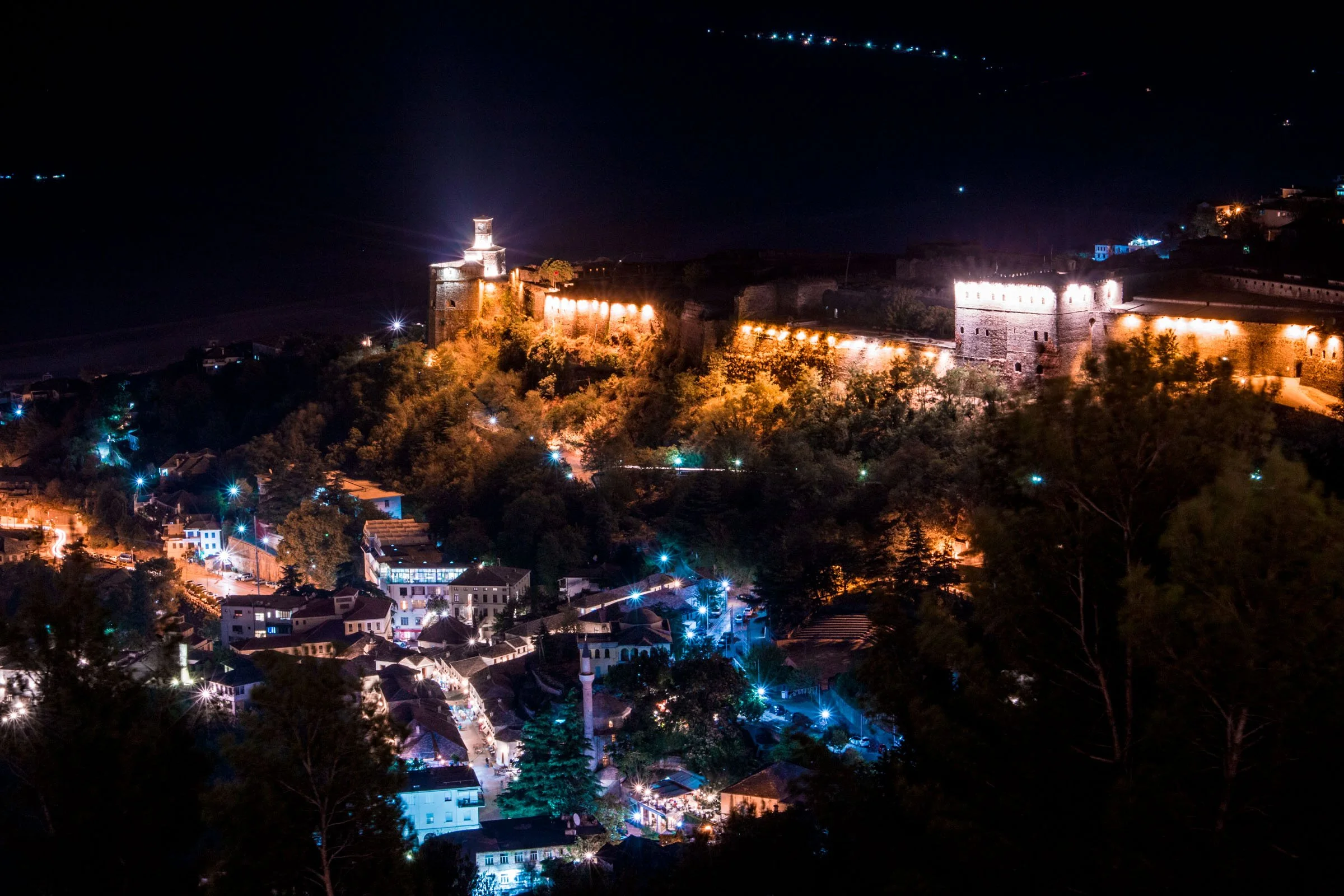
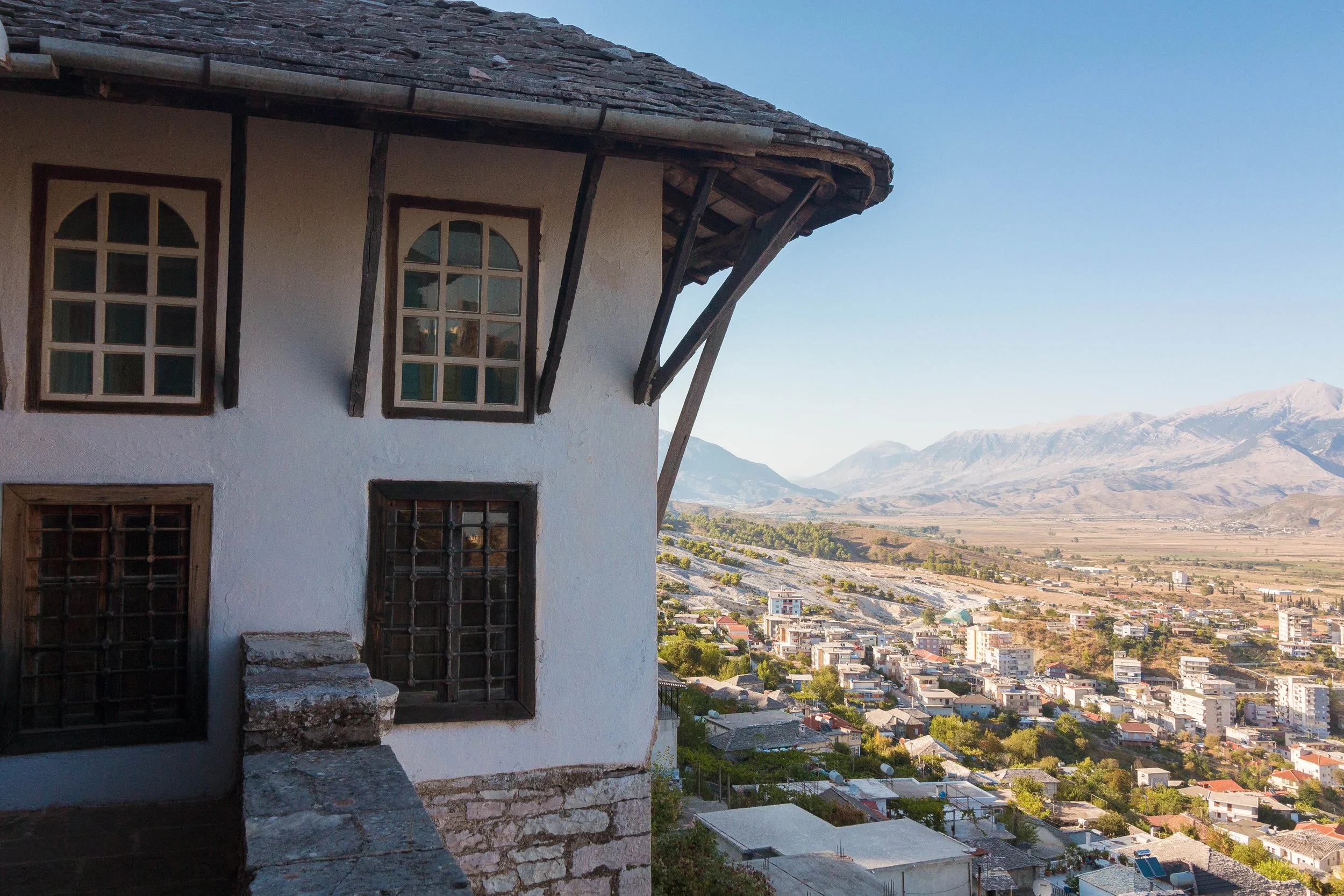
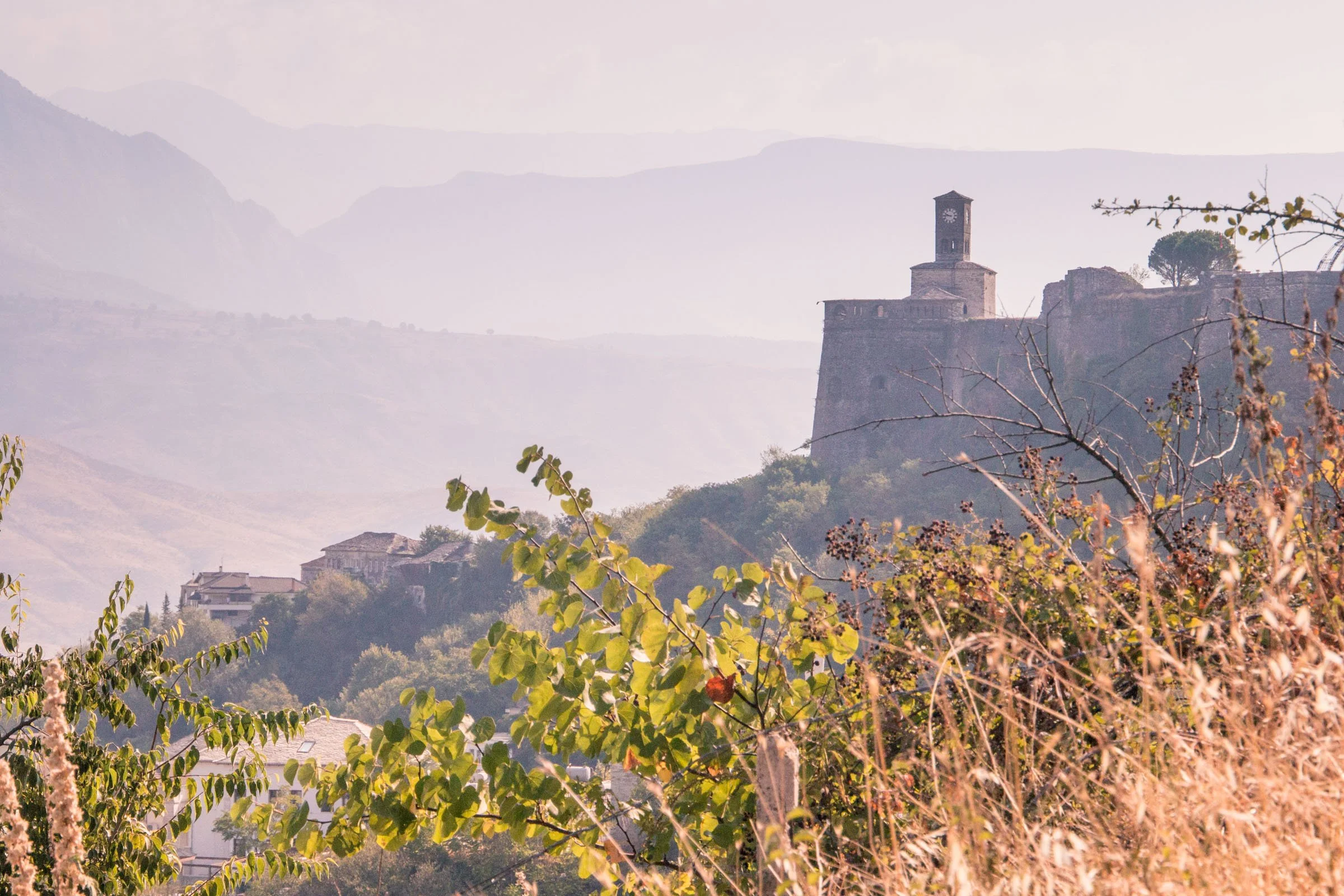
The citadel - the highest point of Gjirokastra - is anchored high up on the steep western wall of the U-shaped valley, with tremendous views for miles. But over the centuries the city has grown, and now it spills generously down the steep mountainside, eventually merging into the new town of modern houses and tower blocks on the flat valley floor below.
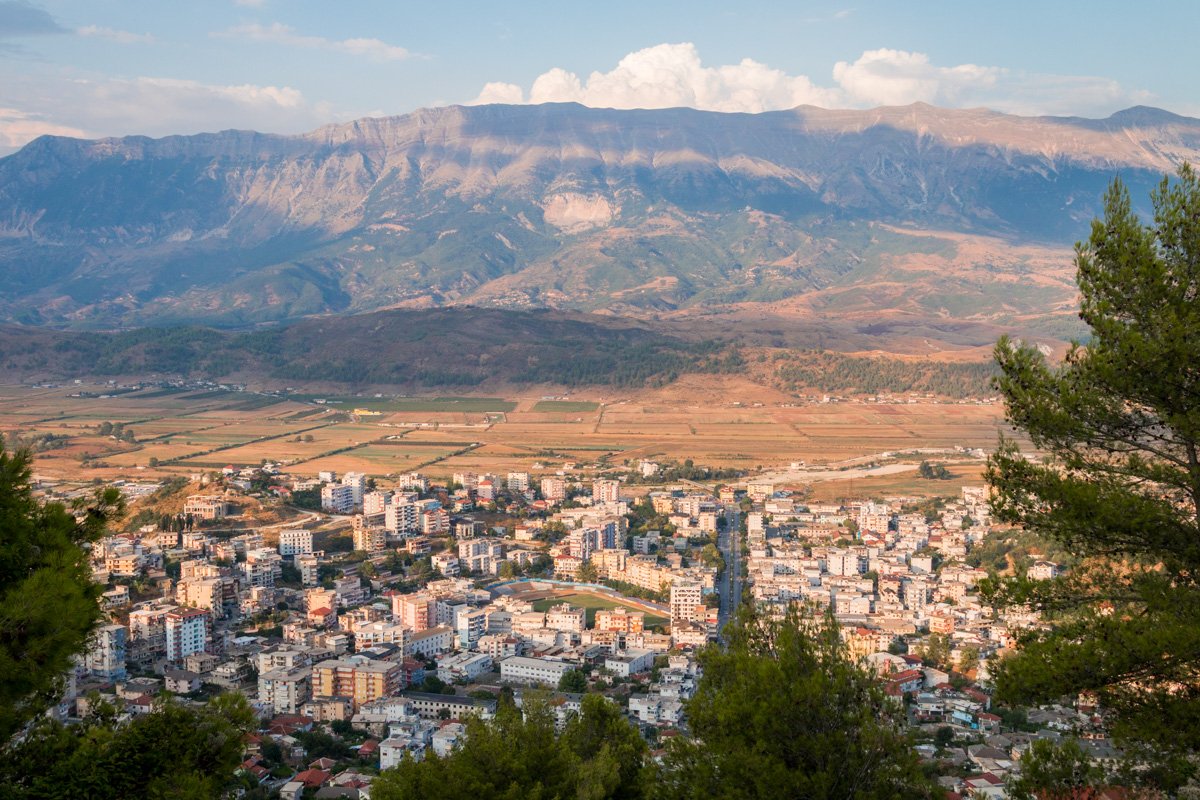
View of new Gjirokastër from the old city
This is a strategically useful location – a fertile river valley squeezed tightly between steep mountains on each side, forming an important communication and transport corridor between Greece and Albania. So it’s not surprising that this site has been occupied since ancient times. In fact, the whole of the Drino valley is liberally sprinkled with significant Roman and pre-Roman archaeological sites. By the 5th century, though, a fortified citadel had emerged at Gjirokastra: a castle enclosing a village, poised on a rocky outcrop.
Easy to defend and commanding panoramic views, Gjirokastra gradually evolved under the Byzantines into a significant trading centre that controlled the key trade route through the Drino valley. By the 13th century the city was growing, spreading out rapidly as houses appeared on the hillside below the castle.
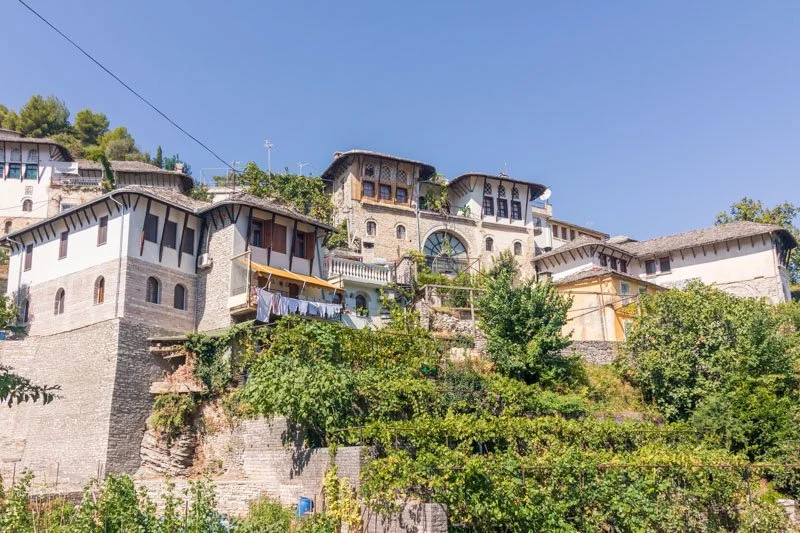
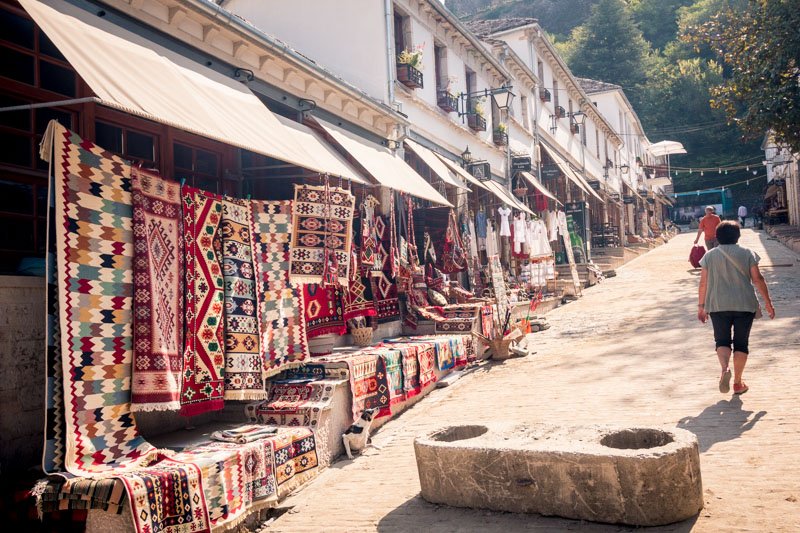
Although it’s been inhabited for centuries, the old city that you see now mostly dates to the early nineteenth century. Part of its drama lies in its terrific location: high up on one side of the valley, it sprawls messily over several gorges and rocky outcrops before trailing downhill, eventually merging into the new town below. Views from the higher parts of the old town are heart-stopping. It’s a city that is famous for its steep streets, and in fact many previous visitors to the city over the centuries have commented in amazement at this. It’s even been nicknamed “the slanted city”.
Here are some of the key sights around Gjirokastra.
Citadel (castle)
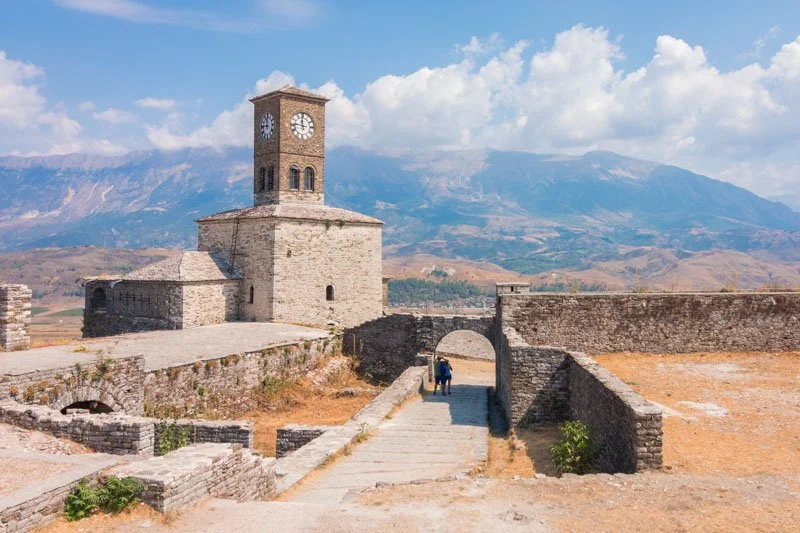
Visible from almost everywhere in the city, occupying a rocky outcrop. This spot has been occupied and probably fortified for many centuries. Recent excavations suggest that there may have been an Iron Age settlement here (8th or 7th centuries BC) and it’s thought that the first fortifications were added in the 5th century AD. However, it’s been in almost continuous use right up to and during the Cold War. Because of all this, there are many different parts to see.
Right after the ticket office you enter a dark series of corridors and galleries built from stone and set partly in the rock. These vaults were originally built by the Albanian ruler Ali Pasha in the early 1800s.
Turning right brings you to a tiny garden, an aqueduct (now ruined) that originally carried water from the main city to the citadel, and a Bektashi turbe (a tomb). Turning left brings you into dark galleries that showcase World War II weapons and artillery. There’s a separate gallery behind an Italian tank that showcases more weapons, but for an additional fee.
This area was used as a prison. It was built in the 1920s by Albanian ruler King Zog, then occupied by Wehrmacht during World War II for holding hundreds of prisoners. The prison only closed in the 1960s when the castle became home to a folk festival and began to transition to a tourist attraction celebrating Albanian culture.
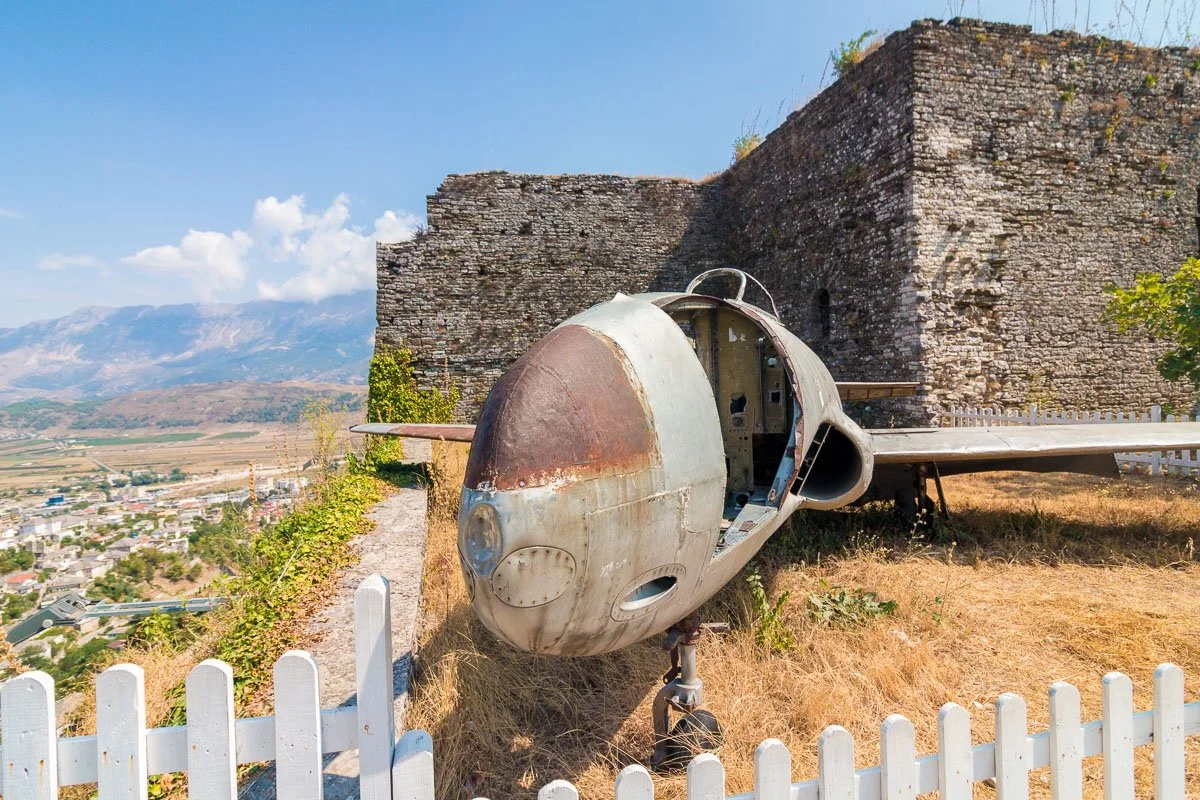
Outside the dark vaults and galleries is an open-air terrace with views over the valley and the town, and a 1950s US plane. The US government explained that the plane was forced to land after experiencing difficulties, while the communist government claimed it had been conducting spying missions over Albanian territory.
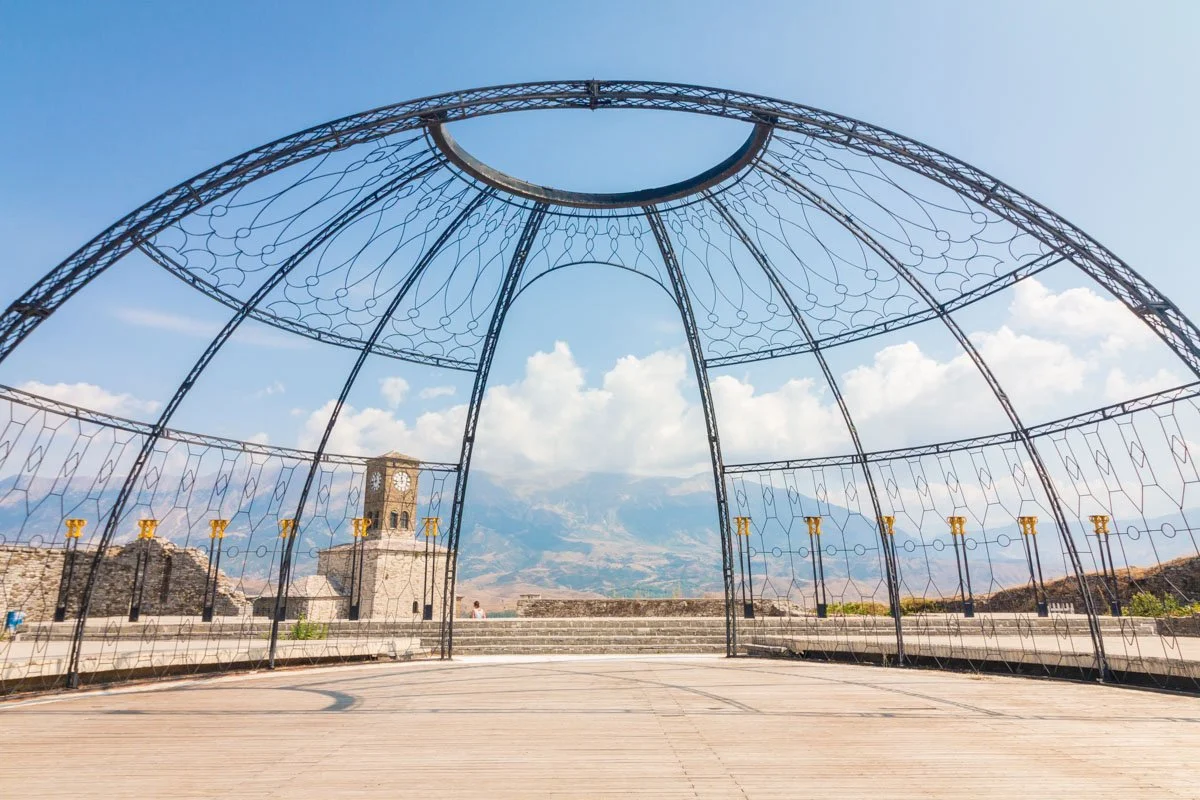
Beyond that is a huge open area that houses events and performances. At the far end of the open space is a nineteenth-century clocktower and a fantastic viewpoint.
Admission fee applies. Open every day, shorter hours in winter.
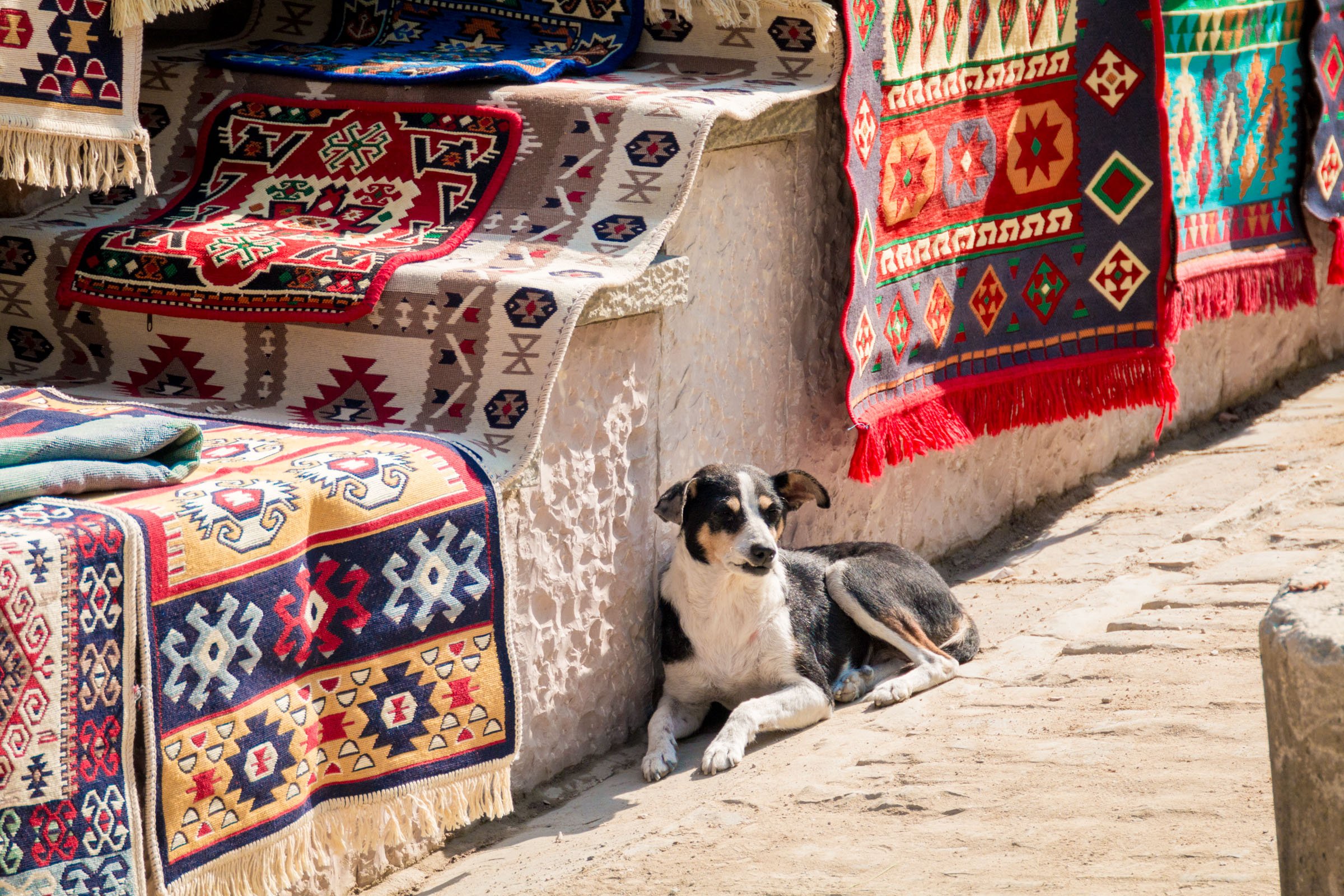
Bazaar
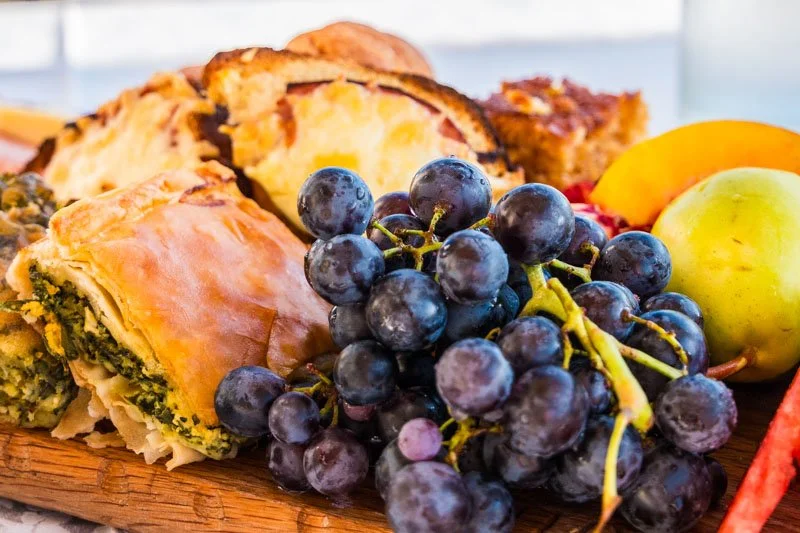
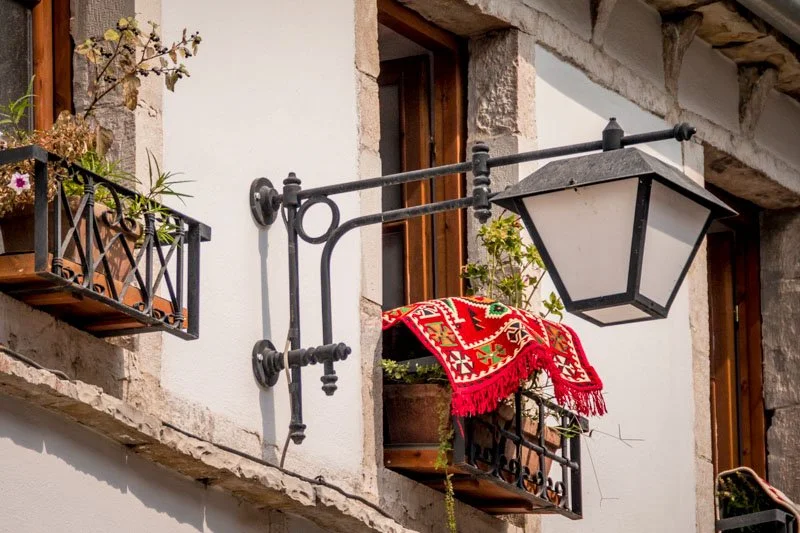
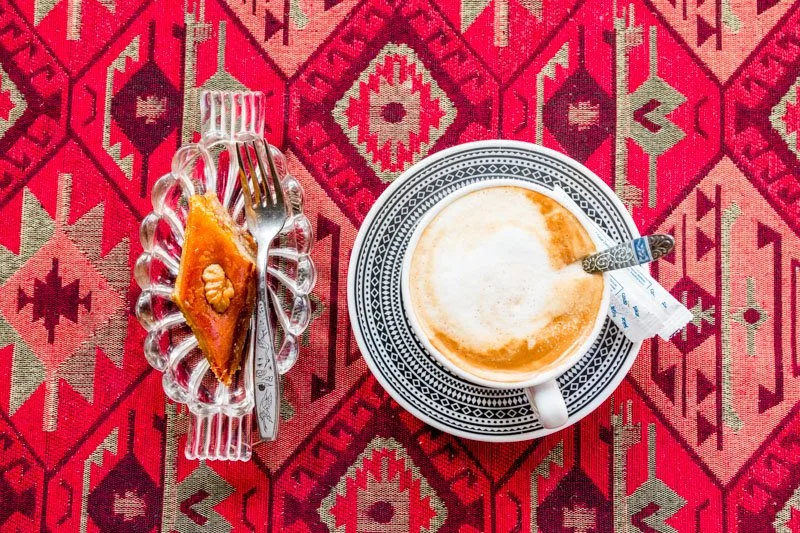
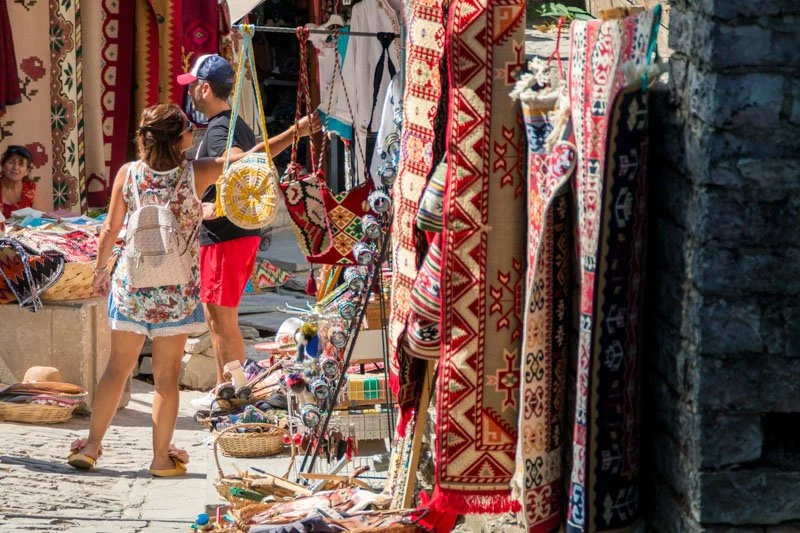
The bazaar is a series of cobbled streets lined with shops. It dates originally from the 17th century, although it’s been damaged and rebuilt following earthquakes and fires many times since. The shops occupy restored, cleaned and renovated buildings, upper floors whitewashed and trimmed with wooden windows and balconies. There’s no charge to walk around the streets but make sure to stop for a coffee and pastry, cold drink or make a purchase to support local businesses.
Cold War tunnels
An underground bunker that was secretly built in the 1970s in Gjirokastra, and used as an emergency shelter during the communist era. It’s around 800 metres long, with over 50 rooms, and would have been used to support a range of functions in the event of a nuclear attack.
Gjirokastra’s unique houses
Gjirokastra’s main assets are the unusual old houses, called kullë. The architectural style is quite different to other cities nearby, like Berat, and in fact they are so unique that they are recognised by UNESCO.
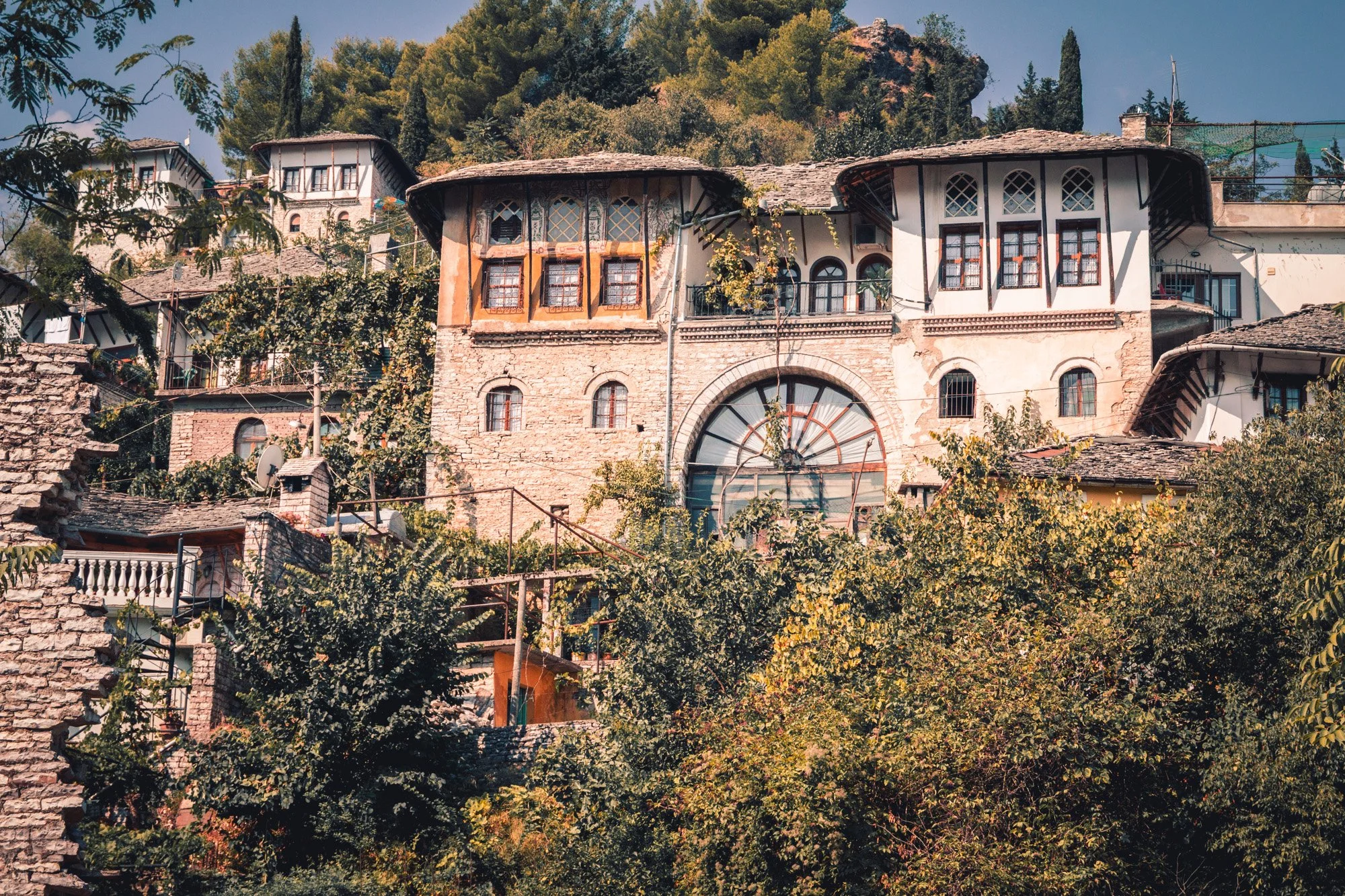
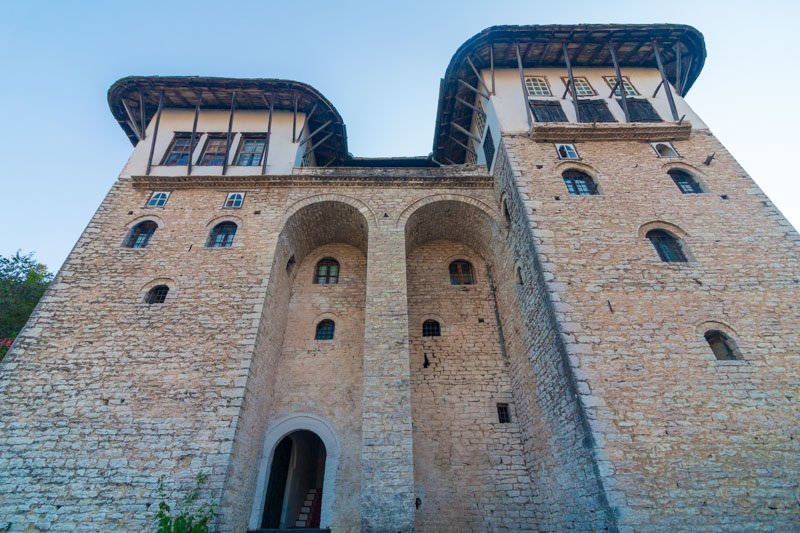
Houses here were designed to be easy to defend, just in case of disagreements between clans. Houses were tall, backs set against steep mountainside, and roofs levelling with the front doors of the houses above. There are plentiful sources of limestone available locally, and where possible, lower floors (or all floors) of the house would be built in solid stone. The ground floor was for secure storage, and livestock might be kept inside on the ground floor in winter. Lower floors also had narrow entrances, and small high windows, easy to defend. The families’ actual living quarters were on the higher floors. Overall, from the outside the house looked like a tower or mini-castle.
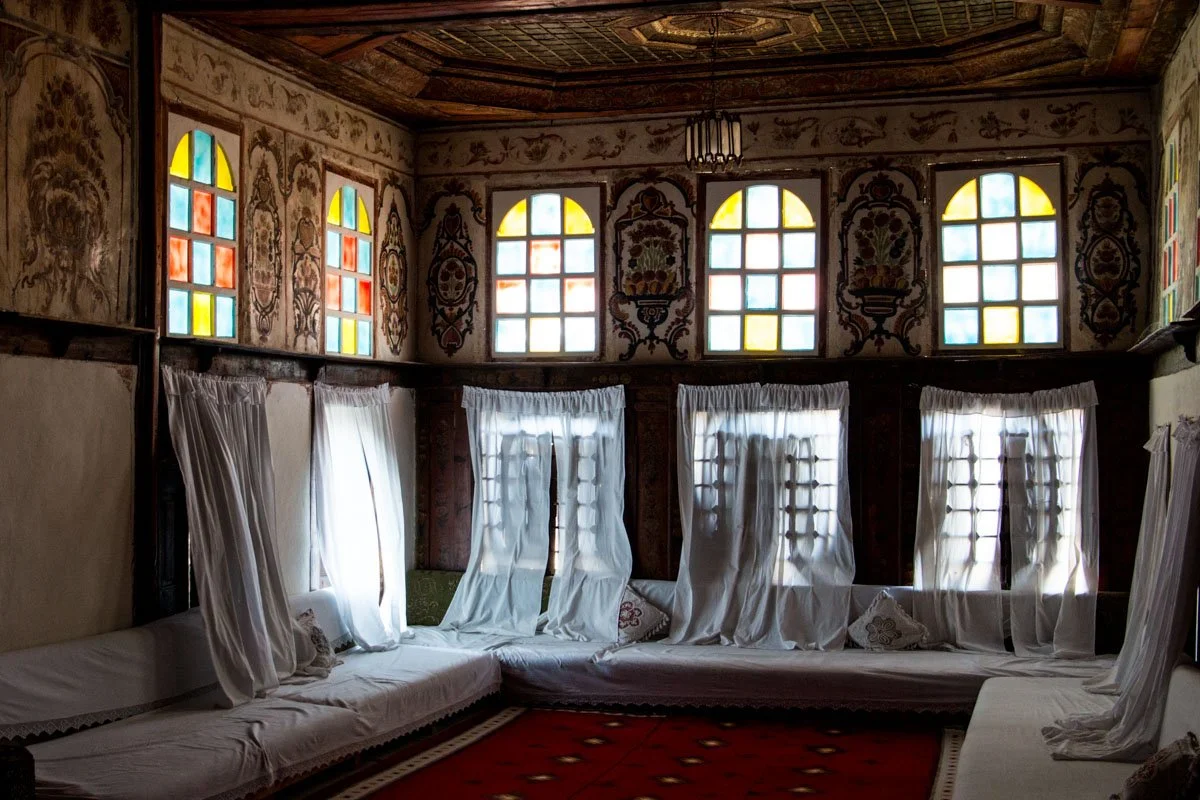
Eventually wealthier families in the town began building multiple such tower-houses, and connecting them to make massive mansions. If there was enough space, houses would include one living area optimised for summer, which would be on an upper floor, with many windows and sheltered balconies to catch every available breeze. A cantilevered roof provided shade. And another living area was used in winter, usually on a floor below, with a nicely decorated fireplace and prettily painted walls. Wherever possible, there were usually different quarters for women and men to spend their time, and a formal room to receive guests.
The houses in Gjirokastra are all unique and are legally protected to ensure their survival. Sadly, despite this, some of these wonderful old buildings are crumbling or have already collapsed, due to the challenges and costs involved in the complex restoration and maintenance they need. Read more about Gjirokastra's architecture here.
You can help by being a sensitive tourist, using local businesses such as cafes, guesthouses and restaurants, and visiting projects and attractions which support the town’s upkeep. There are also several restored houses which you can visit.
Exploring Gjirokastra’s architecture
Ethnographic museum
This museum also allows you to see inside a historic house, reconstructed on the site of where Albanian leader Enver Hoxha was born and filled with lovely carved wooden screens and decorative panels. It also has a small museum of interesting artefacts. Admission fee payable.
Zekate house
One of the larger and wealthier houses dating from the early 19th century, laid out as it would have been 200 years ago. The house has a fantastic location at the top of the town, with open balconies on the upper floors designed to catch every last breath of the breezes in summer. The lower floors are undressed stone, the upper floors whitewashed and prettily painted inside, white curtains billowing at the windows. The top floors are dark wood supporting the distinctive Gjirokastër grey slate roof. There were separate floors for the men of the house to socialise and for the women, as well as formal reception rooms, and storage on the ground floor. The whole building is enormous, like a castle. Outside, stop for a cold drink or a coffee in the lovely garden seating area. The light is great here for photography in the afternoon. Admission fee applies. Open Mon-Sat, closed Sundays, shorter hours in winter.
Skenduli house
This house dates from the 1700s, but has been rebuilt and repaired since then and is regarded as one of the best preserved old houses viewable in Gjirokastra. It was confiscated from the family who had owned it for generations, but they have recovered and restored it. Inside, there are separate quarters where men and women of the family would have spent their days, and a formal room for announcing events such as family engagements. Admission fee payable.
Ismail Kadare house
Ismail Kadare was an Albanian writer who grew up in Gjirokastra and wrote about his childhood home in his book “Chronicle in Stone”. It dates from 1799 and has been carefully restored to showcase the architecture. Admission fee payable.
Other examples of Gjirokastër houses
Other houses you may be able to see include:
Ideas for daytrips around Gjirokastra
If you are staying in Gjirokastra for a few days you may be interested in exploring the Drino valley further. There are lots of places to visit, particular some major Roman-era ruined cities.
Read here my 3 ideas for day trips around the area.
Getting to Gjirokastra
Lots of useful information about visiting Gjirokastra published by the tourist authorities here.
The nearest airports are Tirana to the north, and Corfu, in Greece. From Corfu there are regular ferries throughout the day to Saranda in Albania. The ferry trip takes around 1 hour, but allow plenty of time to arrive at the ferry terminal, buy a ticket and join the queue for boarding. Once in Saranda you can travel onwards to Gjirokastra by car or bus.
I travelled around Albania in a hire car. Major international rental agencies are represented in Albania, but there are also many independent car rental firms and agencies. Gjirokastra is around 1-1.5 hours from Saranda, and around 4 hours to Tirana. The road from Sarande is in good condition, as is the main road north to Tirana. At the time of our visit (2019) the short cut to Berat was not fully surfaced so it's best to drive the longer way round (past Fier) if travelling between Gjirokastra and Berat.
If you’re not driving, it’s fairly easy to reach Gjirokastra by bus; it’s right on the main road between Tirana and Greece. There are some long-distance buses from Greece into Gjirokastra, and also regular services (particularly mornings, fewer in the afternoons) from Tirana and from Saranda near the Greek border.
I paid for all aspects of the trip with my own funds.