Senja for
photographers
Off the beaten track
in Arctic Norway
Looking for terrific coastal Arctic scenery, but without the crowds of people? Senja is a bit of a hidden gem, and one of my favourite spots in Norway. It’s certainly not an undiscovered backwater - but it is much quieter than nearby Lofoten. Should you visit? I’ve produced a complete guide for landscape photographers interested in exploring.
About Senja
Senja is one of Norway’s largest islands, roughly six hours’ drive north-east of Lofoten. It’s famous for its rugged Arctic scenery and epic hikes.
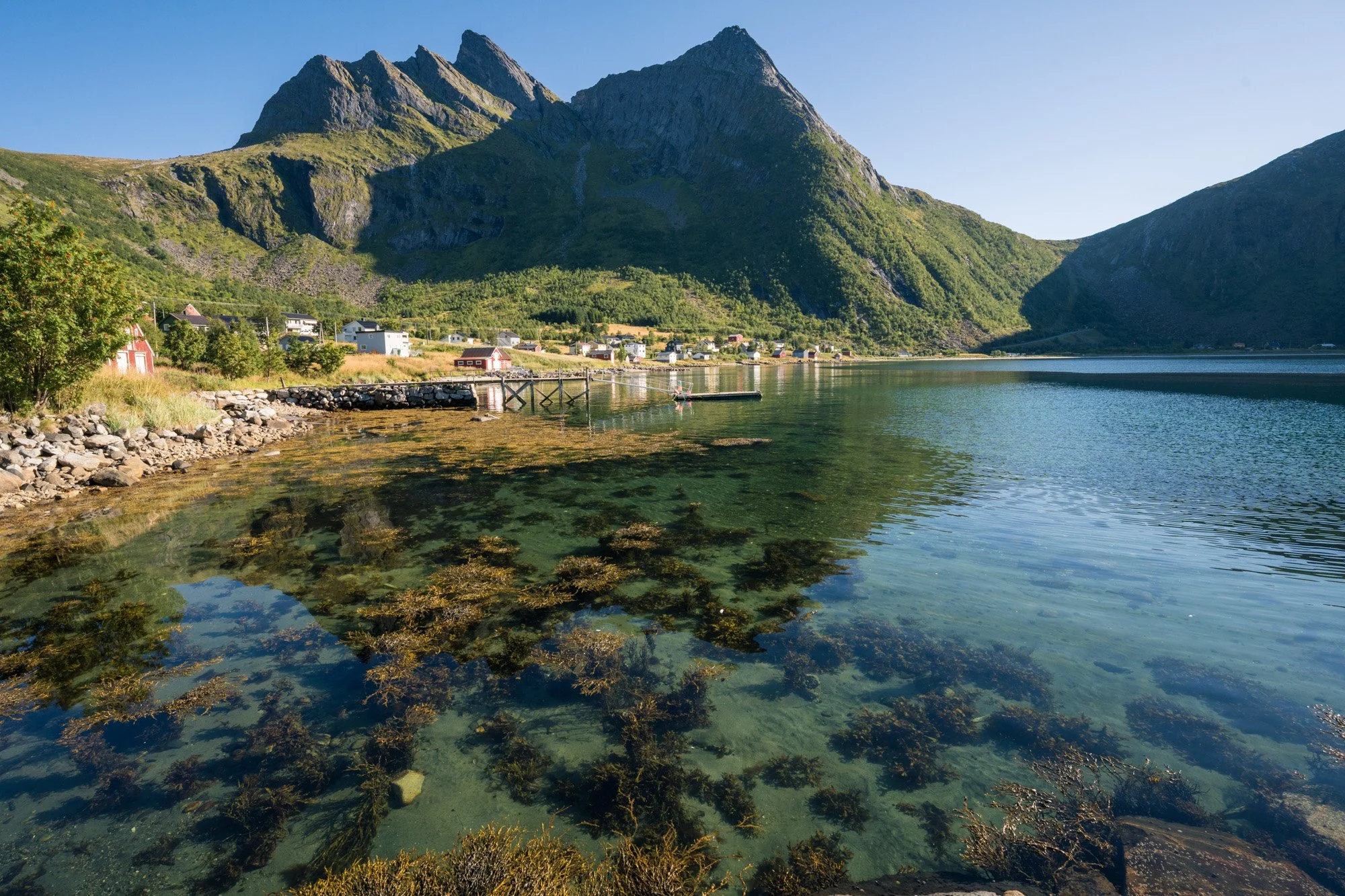
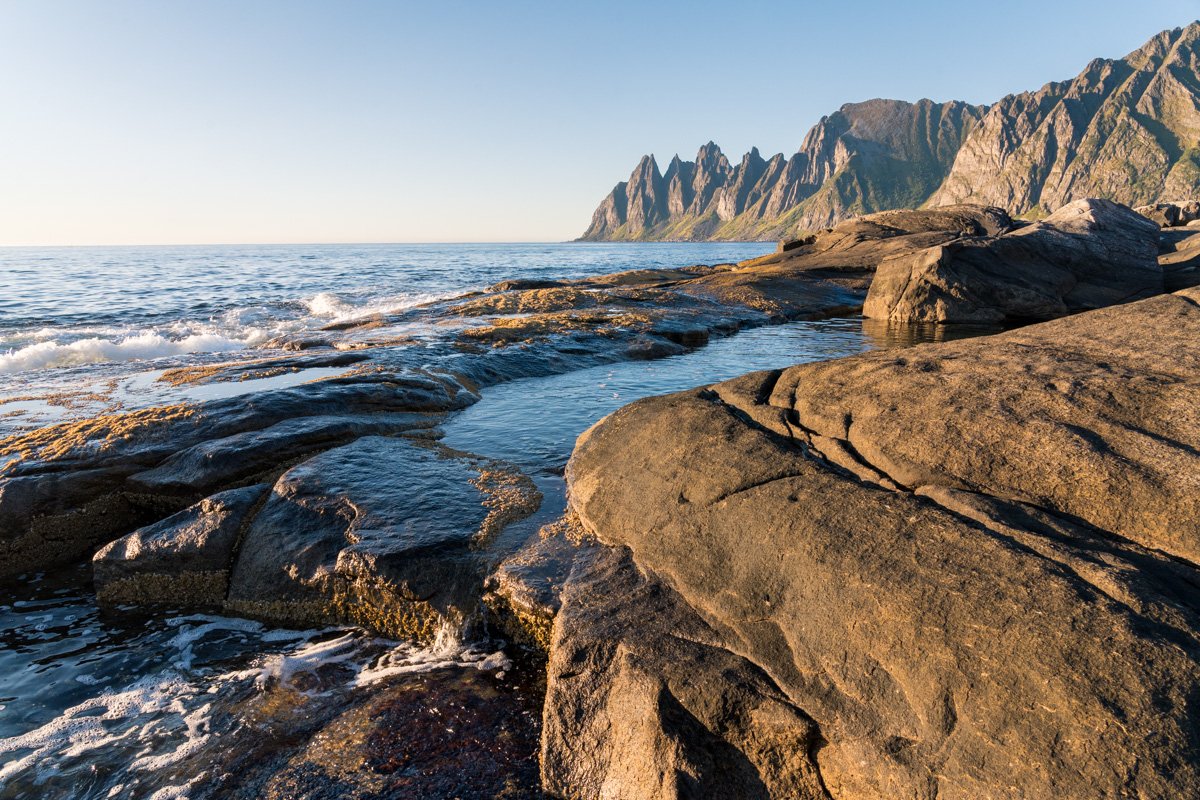
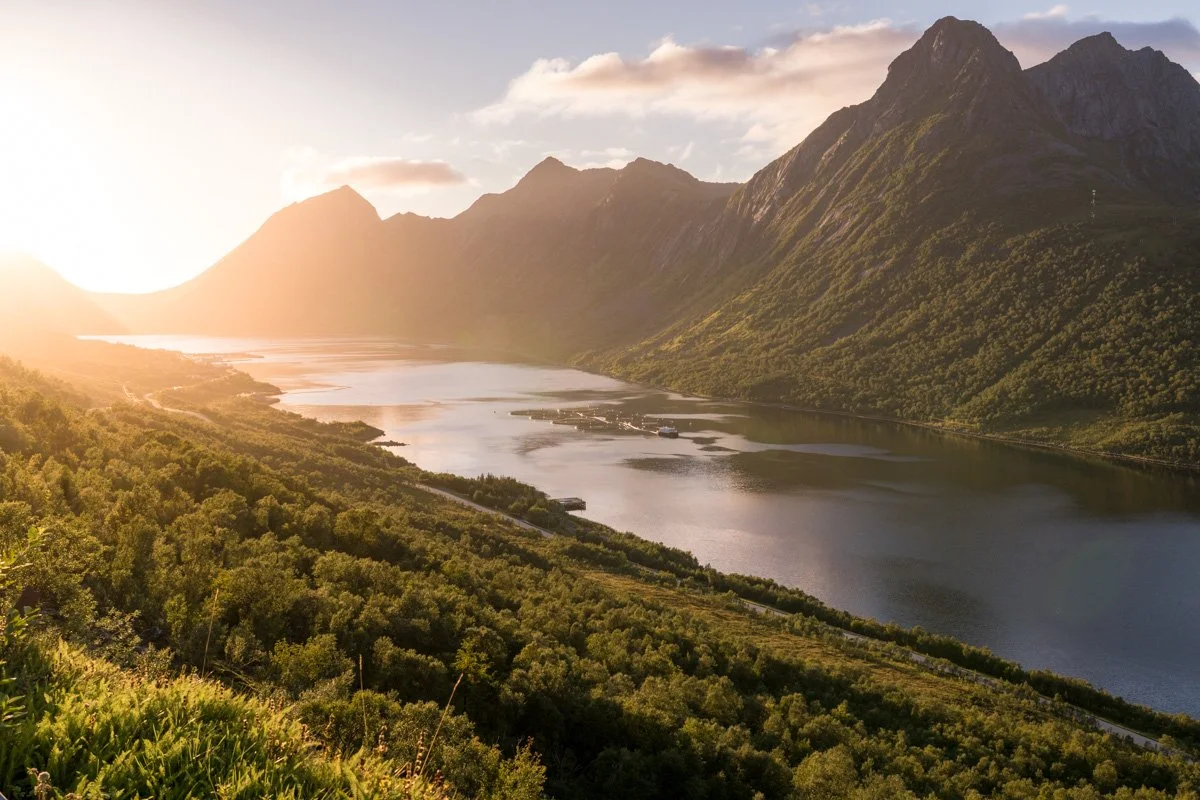
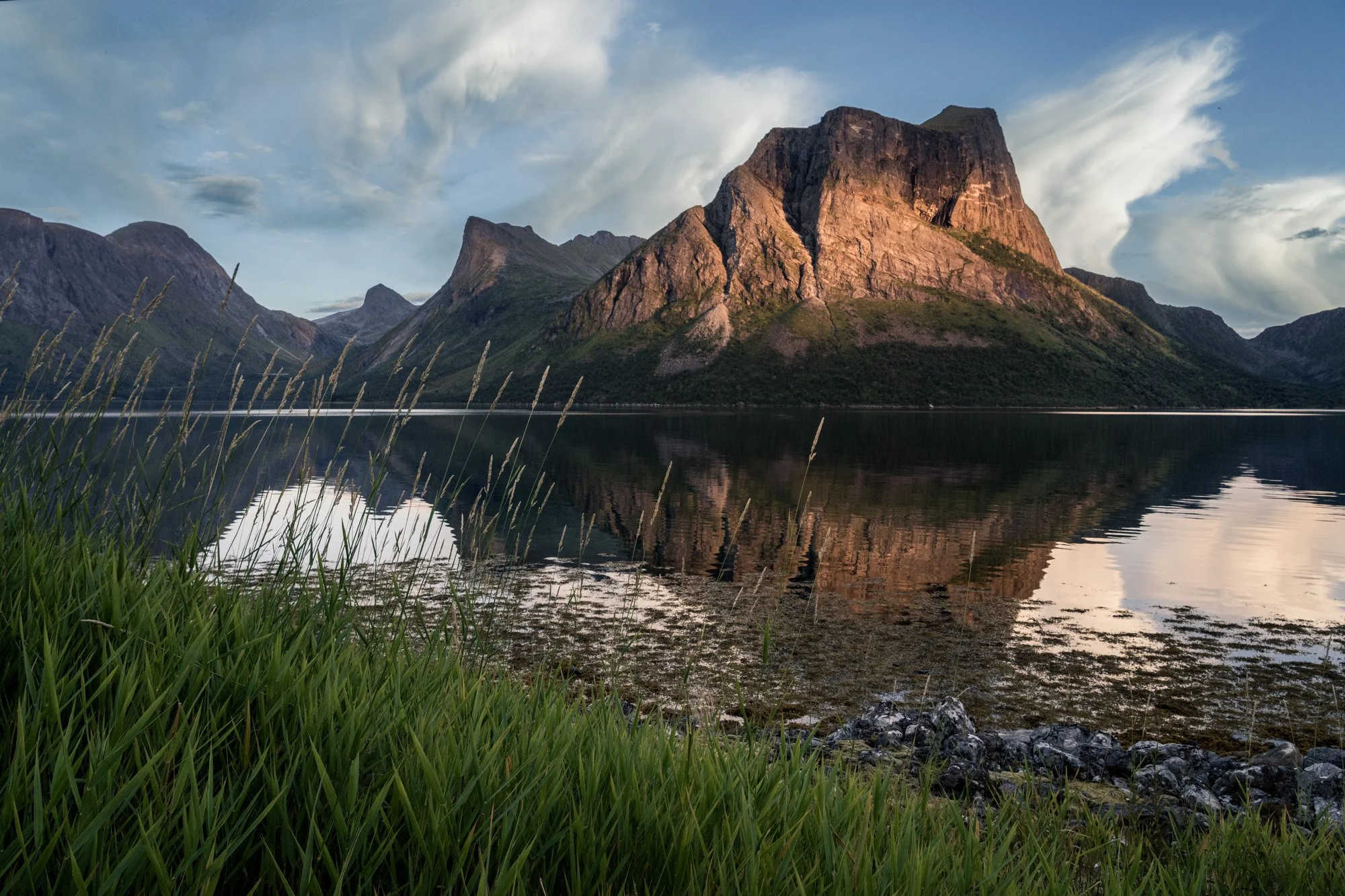
Almost triangular in shape, Senja is an island of two parts. Inland, and to the south east, is an extensive, rolling area of valleys and low Arctic forests. And along the coast lies a jagged, mountainous landscape of fjords. In fact, dotted with mountains, beaches, fjords and fishing villages, this northern coastline is designated as one of Norway’s National Scenic Routes. I’ve produced a Complete Photographer’s Guide to Senja Scenic Route here.
It’s certainly not undiscovered, but for those of us who love to explore dazzling landscapes, it’s fair to say that Senja is far less well-known than Lofoten.
Should you visit Senja?
I will explain my reasons below, but for now I would say that Senja is absolutely worth visiting…
If you love the idea of Lofoten-esque scenery, but with a slightly different flavour, or
If you have been to Lofoten before and are looking to explore somewhere that is complementary, or
If you enjoy a quiet, relaxed trip and want to take your time exploring, or
If you are planning to visit Andøya and Senja via the summer-only ferry, or
If you love combining hikes and photography (Senja is home to some of Norway’s most epic hikes)
If any of the above list sounds like you, read on for more! On the other hand, it takes some time to reach Senja from the nearest major transport hubs, so it’s perhaps not suited to a traveller with a very tight schedule.
How does Senja compare to Lofoten?
Most landscape photographers are familiar with Lofoten - it’s one of the most Instafamous locations in Europe! As they are neighbours, it’s natural to compare the two, but how does Senja differ to Lofoten? Lofoten and Senja have some things in common, and some differences. Similarities first:
Both lie within Norway's Arctic region
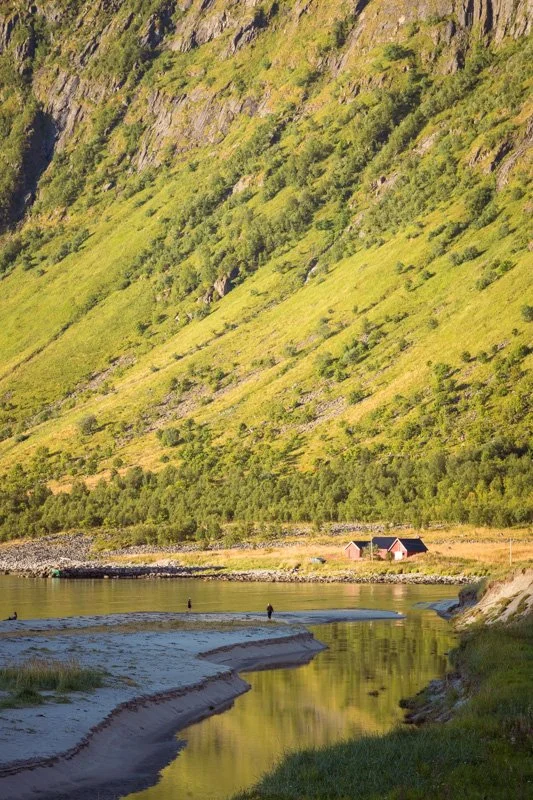
Both boast jagged, often pyramidal mountains, with red cabins (rorbuer), white sand beaches and turquoise water
In both, you can find fishing villages perched on small islands (e.g., Henningsvaer in Lofoten, Husøy in Senja)
Each hosts one of Norway’s National Scenic Routes – official tourist routes that have been picked as some of the best in Norway, and equipped with fantastic tourist facilities
However, there are also some differences. Having visited Lofoten a few times before I visited Senja, here are the differences about Senja that I noticed.
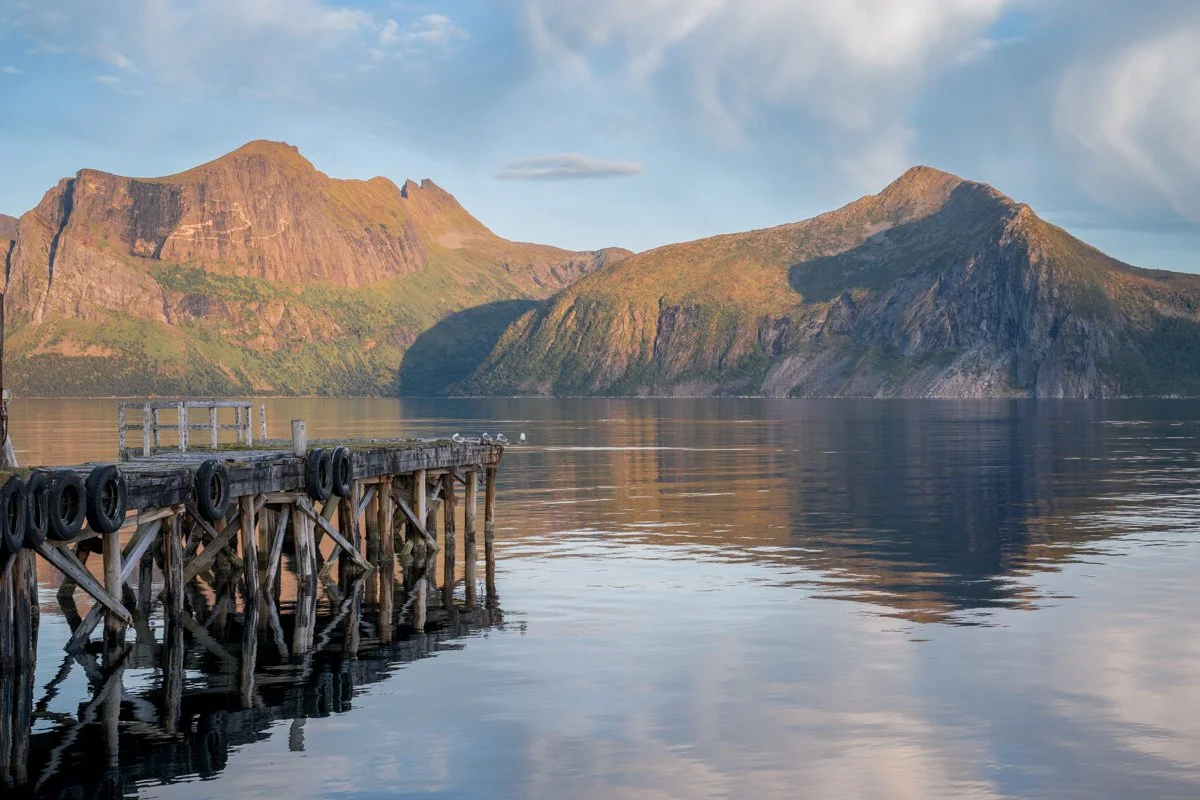
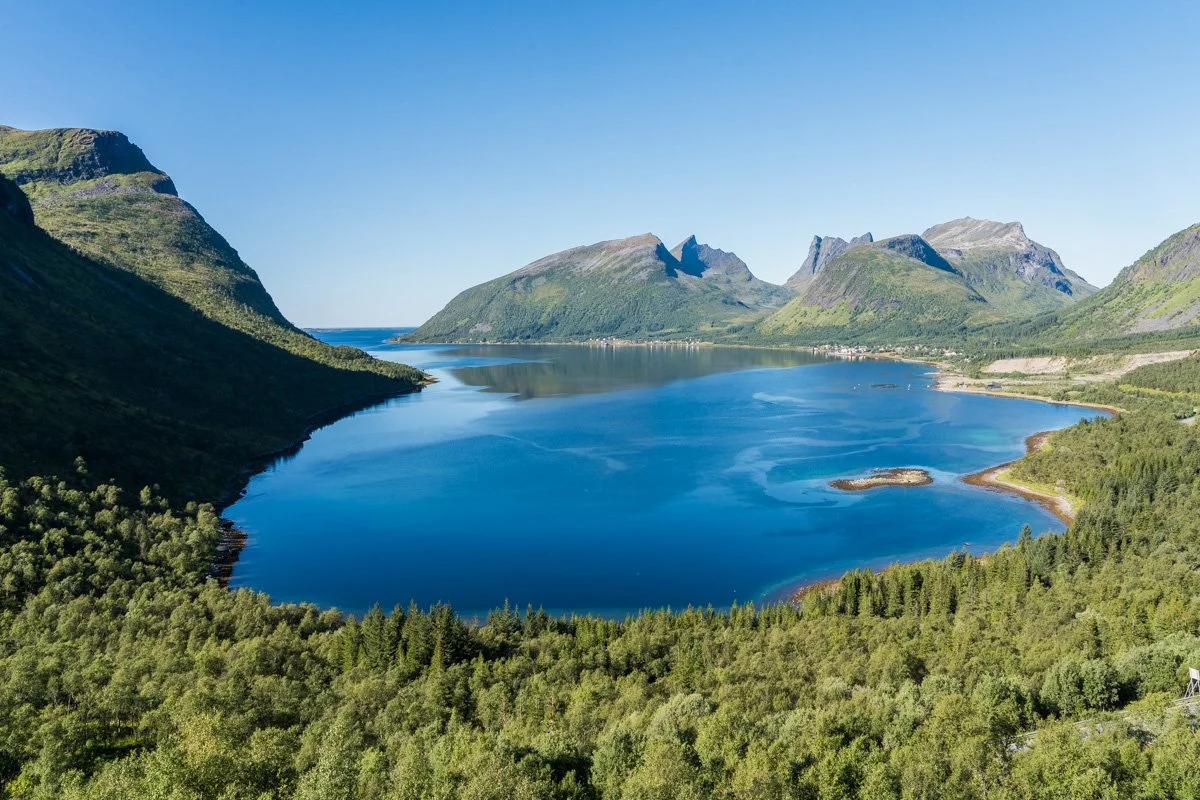
Lofoten is famous for red rorbuer cabins teetering on the edge of wave-fringed rocks. Senja has fewer of these. You will be able to find cabins and wave-fringed rocks - but it’s not what Senja is famed for. Instead, Senja has more classic, fjord-like scenery than Lofoten. Driving Senja’s coastal route involves winding through a series of glorious, steep coastal bays and inlets.
Many of Senja’s towns and villages are located deep inside fjords with a classic U-shaped profile, and therefore feel more sheltered. In contrast, some of Lofoten’s most famous villages (Reine, Sakrisøy, Hamnøy, Å, Moskenes, and Ramberg, for example) or towns (Henningsvær, Leknes, Svolvær) are more exposed to the sea.
Senja’s Scenic Route (102 km) is far shorter than Lofoten’s (230km) – and as a result, there are just fewer viewpoints in general. It also takes less time to explore it, of course.
Senja is single, larger landmass, with roads crossing only a small portion of the island, and so much of the island feels more off-the-beaten-track as it’s harder to reach. On the plus side, in winter you can go dog-sledding inland.
Finally – a big point – Senja is far less visited than Lofoten. To clarify, the Senja Scenic Route is certainly not deserted! It’s a well-known hiking destination. But there also aren’t the crowds that you can see at peak times in Lofoten. The whole experience of visiting Senja is a little more calm and peaceful. If you want to “get away” from everything, Senja feels like an attractive choice.
Senja is particularly well-known in Norway for its hiking; I haven’t tried the big hikes and won’t cover them here - but here are some local hiking resources if that interests you.
If you are considering exploring Senja’s Scenic Route, I’ve produced a Complete Guide for Photographers here.
How much time should a landscape photographer plan to spend in Senja?
These are my personal recommendations only. To get the best from a visit, I would suggest visiting and staying for at least a few days. It takes a few hours to make the journey here from the nearest transport hub, so it’s worth exploring thoroughly when you arrive.
One day: Excluding travel time to get to/from Senja, you could theoretically traverse the whole Scenic Route in one day. Attempting this in one day would allow you to cover the designated Scenic Route, with stops at viewpoints or for lunch. But it would not allow you to take many diversions, go hiking, or explore the viewpoints in detail. I didn’t cover all of the Scenic Route in 1 day myself - I ended up stopping far too often. If you do only have 1 day, I suggest arriving in Senja (or nearby) the night before, and starting early.
Two days: Taking 2 days would allow you to scope out potential compositions and return to them in better light, spend time at each viewpoint, pull over at spots that interest you, and maybe take a short walk or two. For me, I think this is the minimum comfortable time to do Senja justice.
Three or more days: Personally I would allow at least 3 days. This allows you to scout out locations, and revisit your favourite, earmarked spots in different light and different conditions. You could also make some diversions to explore off the beaten track or complete a few hikes. Personally I would schedule at least three days if you’d like to see other areas of Senja in addition to exploring the coastal Route.
Where to stay if you’re interested in landscapes
I chose to rent a cottage, so that I could prepare my own breakfasts and evening meals. There are relatively few restaurants or takeaway options, and self-catering gives you flexibility to go out early or late for golden hour, without worrying about mealtimes. There are plenty of places to buy groceries near Senja, or on the island itself.
The ideal location for a photographer would be in the middle of the north coast, especially if you plan to stay for multiple days. However, there are not very many accommodation options in Senja – far fewer than Lofoten – and your choice may end up being dictated by what is available for your chosen dates and budget. I ended up booking a (very cosy) cottage in Torsken. Torsken was a lovely place to be based – pretty, sheltered, quiet, with amenities such as a restaurant and a small shop. However, it does make it harder to explore the entire coast.
On the other hand, being located close to Gryllefjord is extremely convenient if you are interested in taking the summer ferry to Andøya, so is worth considering if that’s your goal. This ferry is busy enough to pose a few timetabling challenges - read my article first.
Useful information: Senja is particularly well-known for the hikes to Hesten and Segla. For this reason, the area from Senjahopen to Mefjordbotn seemed to me to be the busiest area in Senja. If you are particularly seeking peace and quiet, consider booking accommodation outside this area. Torsken and Botnhamn are both pretty quiet.
Useful links and sources of information
There’s good quality information at the Visit Senja website and at the Northern Norway Tourist Board
Searchable ferry timetables are here
Heart My Backpack and Life In Norway are both wonderful blogs, packed with heaps of useful information if you are planning a trip to Norway
If you want to explore Norway’s National Tourist Scenic Routes (Nasjonale Touristveger) you can read about all 18 routes here
You’ll need access to good quality weather forecasts to plan your photography sessions. In Norway I use yr.no